The short answer
The most photographed symbols of Los Angeles hide surprising histories: the Hollywood Sign began as a temporary real-estate ad, Dodger Stadium was built on three razed Mexican-American neighborhoods, the Capitol Records tower has blinked "Hollywood" in Morse code since 1956, and the Getty was engineered to survive the wildfire that reached its doorstep in 2025. Here's the hidden history behind ten LA icons.
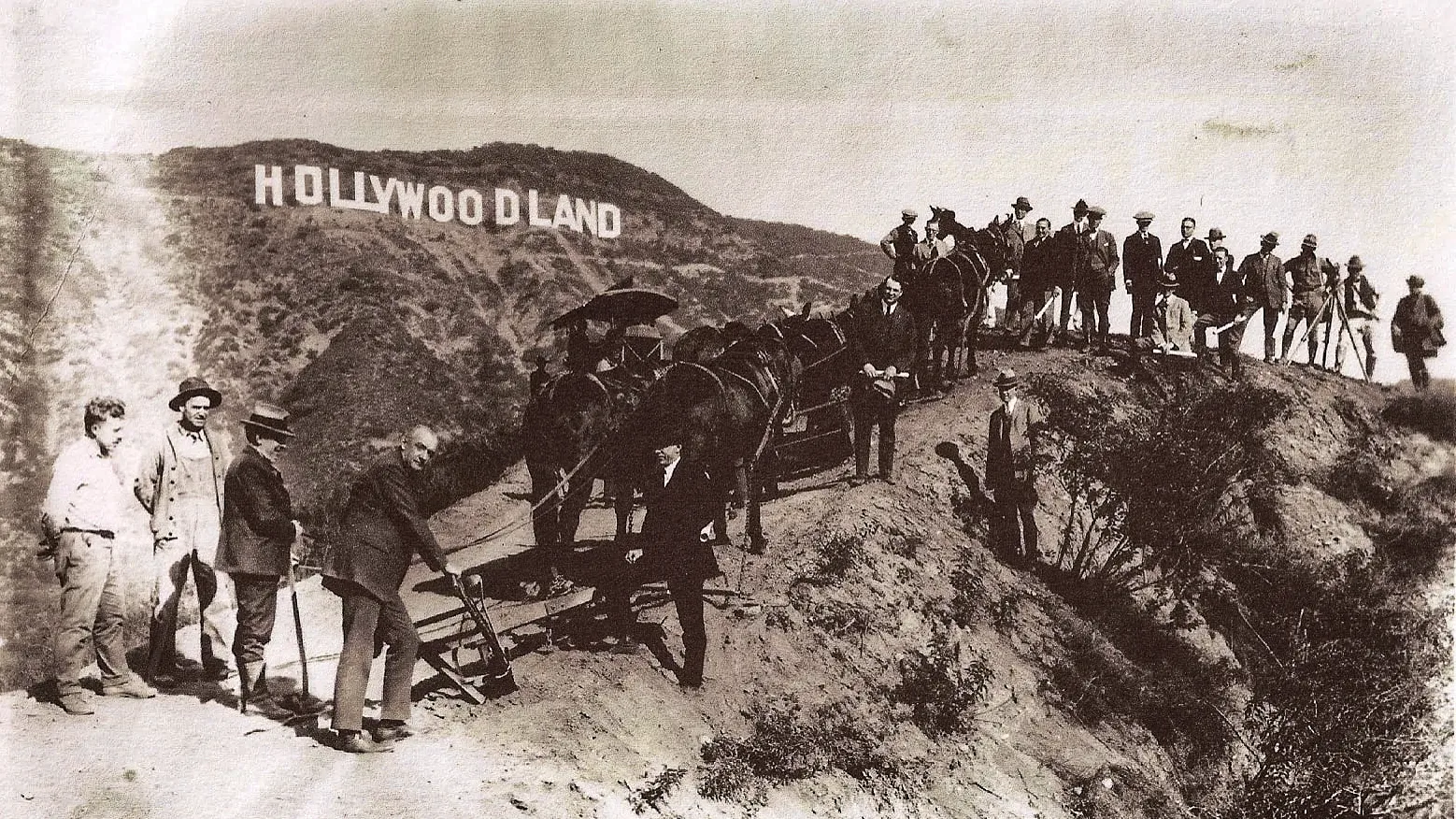
Start with the big one: the Hollywood Sign is, quite literally, a leftover billboard. It went up in 1923 as an eighteen-month advertisement for a housing development called "Hollywoodland," nobody bothered to take it down, and the city eventually inherited an abandoned real-estate gimmick that became the global symbol of fame itself. That's the thread running through this whole city. The landmarks you think you know were built for reasons nobody remembers.
These are ten of LA's most iconic sites and the true stories hiding in plain sight behind them. We checked every date, dollar figure, and legend against the record, and we flag where the popular "fun fact" is actually a myth.
Ten icons, ten secrets at a glance
| Landmark | The hidden history |
|---|
| Hollywood Sign | A temporary 1923 ad that said "Hollywoodland" |
| Griffith Park | Its donor shot his wife and did time at San Quentin |
| Walk of Fame | The "first star" is a trick question |
| Dodger Stadium | Built on three razed neighborhoods |
| Santa Monica Pier | The main pier was built to carry a sewer pipe |
| Gloria Molina Grand Park | Renamed in 2023 for a trailblazing supervisor |
| Venice Boardwalk | It once had 16 miles of real canals |
| The Getty | Engineered to survive wildfire, and it did |
| Capitol Records | Blinks "Hollywood" in Morse code |
| TCL Chinese Theatre | The footprint tradition was staged showmanship |
01Hollywood Sign
Mount Lee · Griffith Park
Free to viewBuilt 1923Myth-busted
It was a billboard. Erected in 1923 to advertise the "Hollywoodland" subdivision, it cost about $21,000, roughly $400,000 today, and was meant to last eighteen months. The "LAND" came off in 1949. When it fell into disrepair, a 1978 rebuild cost $250,000, funded by nine donors who each sponsored a letter for $27,778: Alice Cooper took an "O" in memory of Groucho Marx, Hugh Hefner hosted the gala, and Gene Autry and Andy Williams pitched in too.
The dark chapterIn September 1932, aspiring actress Peg Entwistle climbed a workman's ladder to the top of the "H" and jumped. The origin of the sign's enduring ghost lore.
02Griffith Park
Los Feliz · Griffith J. Griffith's gift
FreeDonated 1896True crime
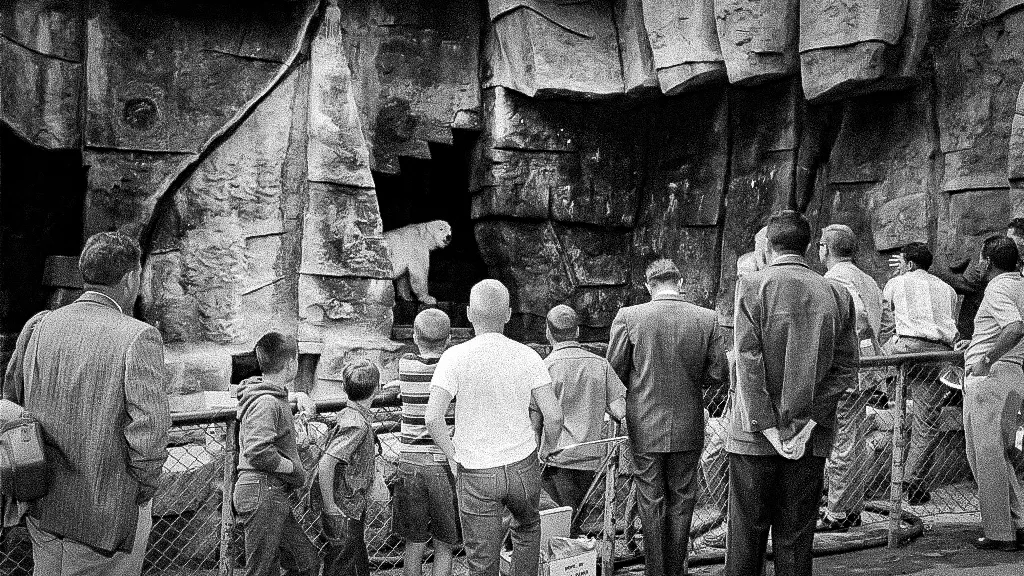
Griffith J. Griffith donated the 3,000-plus acres as a Christmas gift in 1896, but the donor was no saint. In 1903 he shot his wife Christina in the eye at a Santa Monica hotel; she survived by leaping from a window, and he served two years at San Quentin for it. The city was so reluctant to take his tainted money that the Observatory (1935) and the Greek Theatre (1929) were only built after his death, paid for by his trust.
Fact vs. folkloreThe "Feliz curse" and ghost stories are just that, legend, not history. But the Observatory and Greek Theatre really do exist only because a felon's estate insisted on it.
03Hollywood Walk of Fame
Hollywood Boulevard & Vine
FreeBegan 1960$85,000 per star
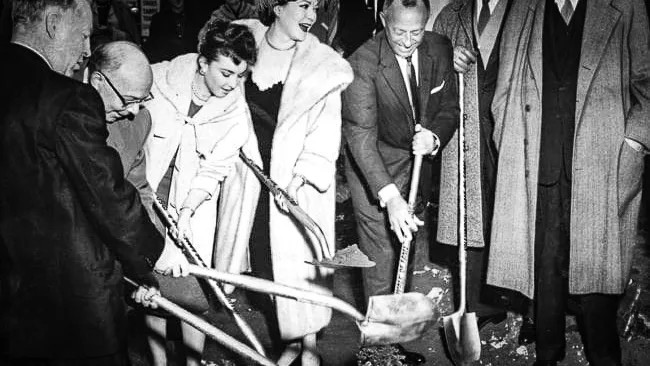
Ask who got the first star and you've walked into a trick question. Joanne Woodward's is often called the first, but hers was one of eight demonstration stars unveiled in 1958 as a prototype. The first star of the actual Walk belongs to director Stanley Kramer, laid on March 28, 1960. And a star isn't a prize you win, a sponsor pays a fee, now $85,000, that covers creation, installation, the ceremony, and lifetime upkeep.
Good to knowSome honorees, including Clint Eastwood and Julia Roberts, have simply declined a star. Fictional characters like Mickey Mouse and Kermit the Frog have their own.
04Dodger Stadium
Chavez Ravine · Elysian Park
Tours availableOpened 196256,000 seats
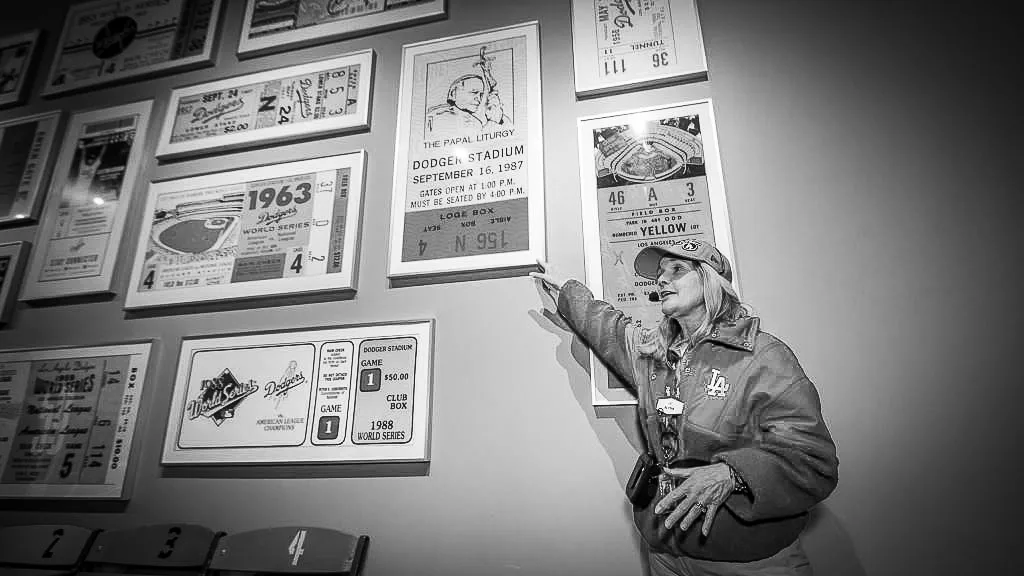
The largest ballpark in Major League Baseball by capacity sits on the razed remains of three Mexican-American neighborhoods. Palo Verde, La Loma, and Bishop. Families were pushed out in the 1950s by eminent domain for public housing that was never built; the land went to the Dodgers instead. On "Black Friday," May 9, 1959, deputies carried Aurora Vargas from her home as bulldozers moved in, the Battle of Chavez Ravine.
Myth checkNo, there are no secret VIP bunkers under the stadium. It was, however, the first privately financed ballpark since Yankee Stadium in 1923, though the city and county did pay for grading and access roads.
05Santa Monica Pier
Ocean & Colorado · Santa Monica
Free to walkOpened 1909Two piers in one
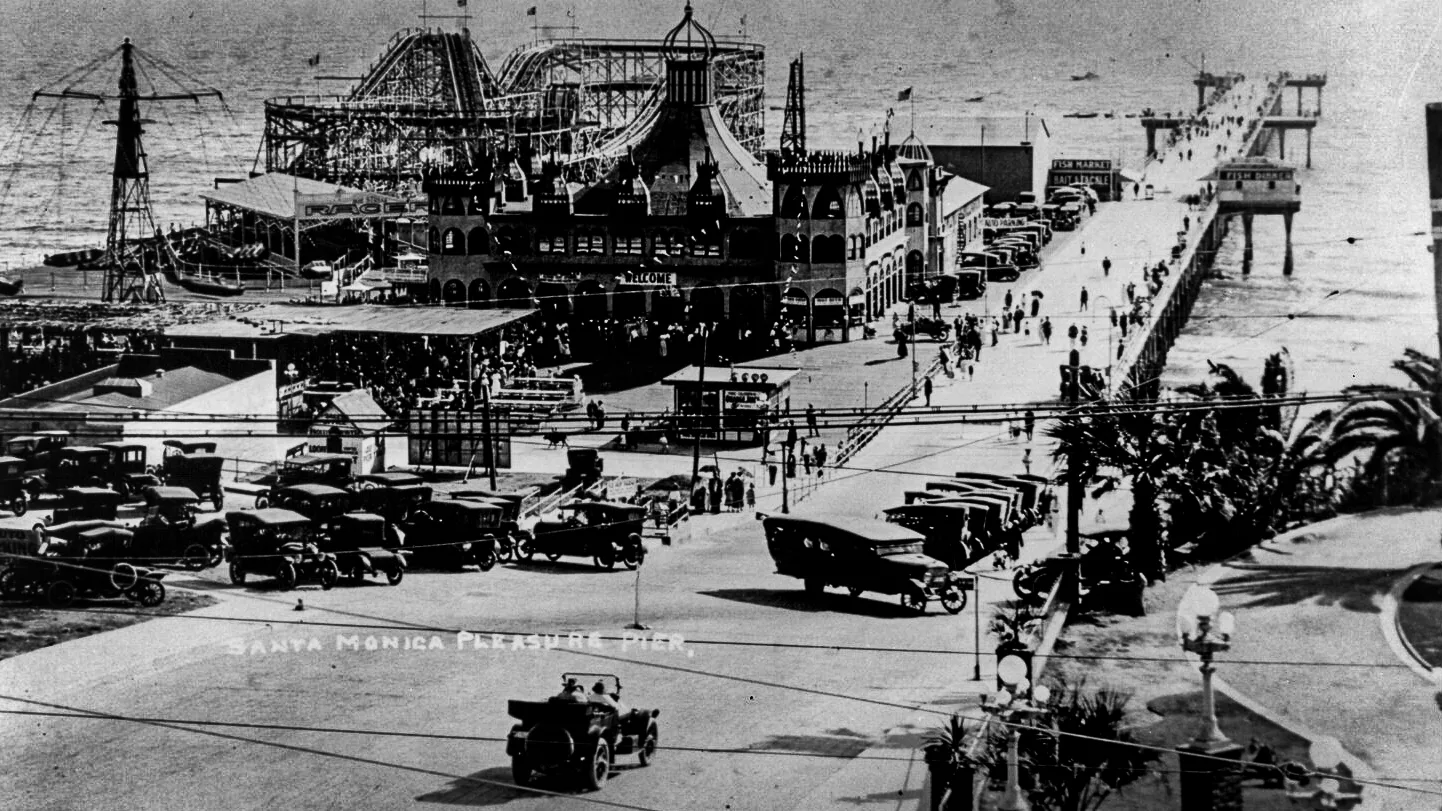
What looks like one pier is really two fused together. The narrow Municipal Pier opened in 1909, and it was built partly to carry the city's sewer outfall pipe out past the surf. The wide Pleasure Pier next door, with its 1916 Looff Hippodrome and carousel, brought the amusements. So the pier everyone photographs began, unglamorously, as infrastructure for sewage.
Good to knowPacific Park opened in 1996, and its Ferris wheel became the world's first solar-powered one in 1998, the current LED version went up in 2008.
06Gloria Molina Grand Park
Downtown · City Hall to the Music Center
FreeOpened 2012Renamed 2023
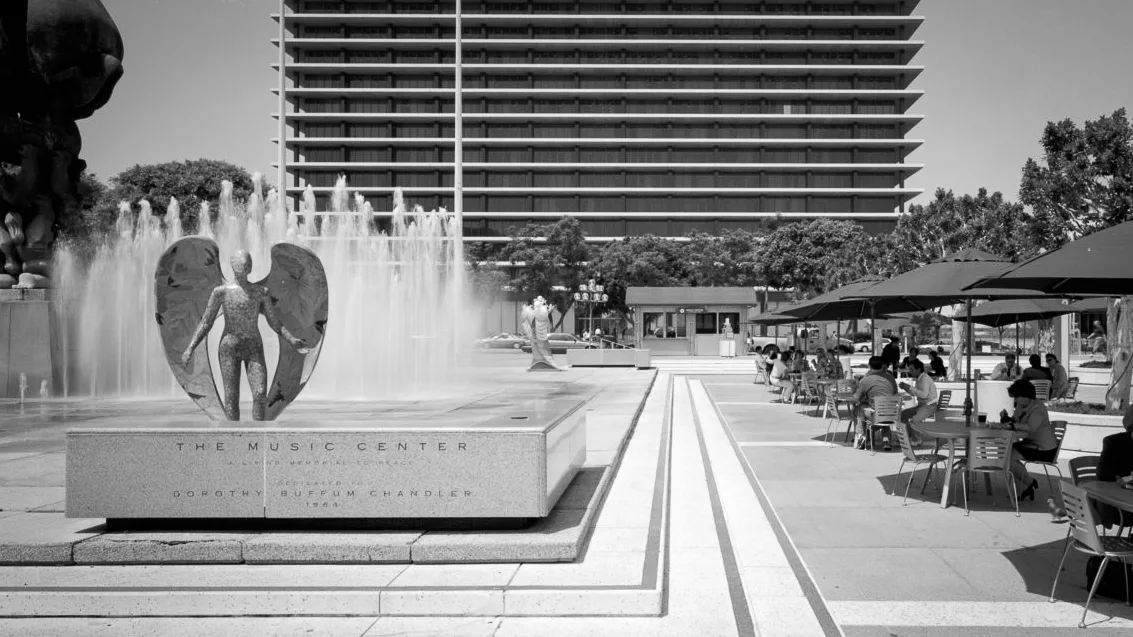
This twelve-acre civic park, opened in phases from 2012, stitches downtown together from City Hall to the Music Center around the restored 1960s Arthur J. Will Memorial Fountain. In 2023 it was renamed Gloria Molina Grand Park to honor the late LA County Supervisor, a trailblazer for the region, who championed its creation. (You'll still see people call it plain "Grand Park.")
Good to knowIt's the city's civic front yard, hosting the big July 4th and Día de los Muertos celebrations. The splash-pad fountain is open to the public.
07Venice Beach Boardwalk
Ocean Front Walk · Venice
FreeOpened 1905A lost Venice
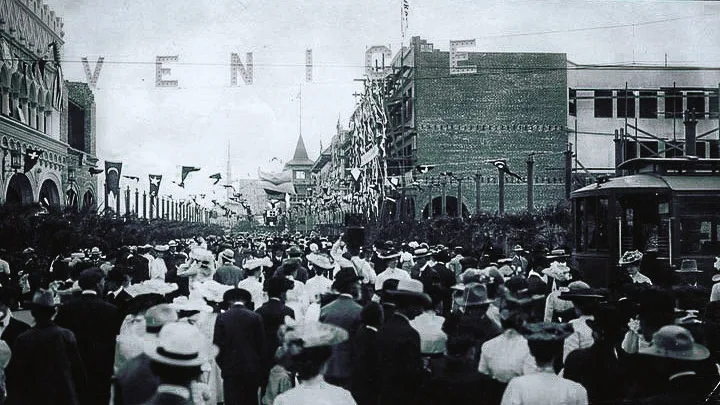
Tobacco millionaire Abbot Kinney opened "Venice of America" on July 4, 1905, complete with about sixteen miles of real canals and imported gondoliers. Most of the canals were paved over in 1929 for cars; only a fraction survive today. The bodybuilding scene that made the boardwalk famous came later. The original Muscle Beach was actually up the sand in Santa Monica, with "Muscle Beach Venice" arriving in 1951.
Fact vs. folkloreVenice is often called the birthplace of skateboarding, but that credit really belongs to the Dogtown Z-Boys across Venice and Santa Monica in the 1970s, the modern Venice skatepark only opened in 2009.
08The Getty Center
Brentwood · Sepulveda Pass
Free admissionOpened 1997Fireproof by design
The $1.3-billion hilltop museum was engineered to survive wildfire, and it proved it in January 2025, when the Palisades Fire reached its doorstep and the collection was never in danger. Cleared brush, on-site water tanks, crushed-stone roofs, double-walled galleries, and a sealing air-handling system that keeps smoke out did the work. Its 16,000 tons of travertine were quarried near Tivoli, Italy, the same beds that built ancient Rome, and the blocks are studded with real fossils.
Myth checkThe famous "goats for brush clearance" story belongs to the Reagan Library, not the Getty. The Getty's fire defense is engineering, not livestock.
09Capitol Records Building
Vine Street · Hollywood
Exterior onlyBuilt 1956Morse code
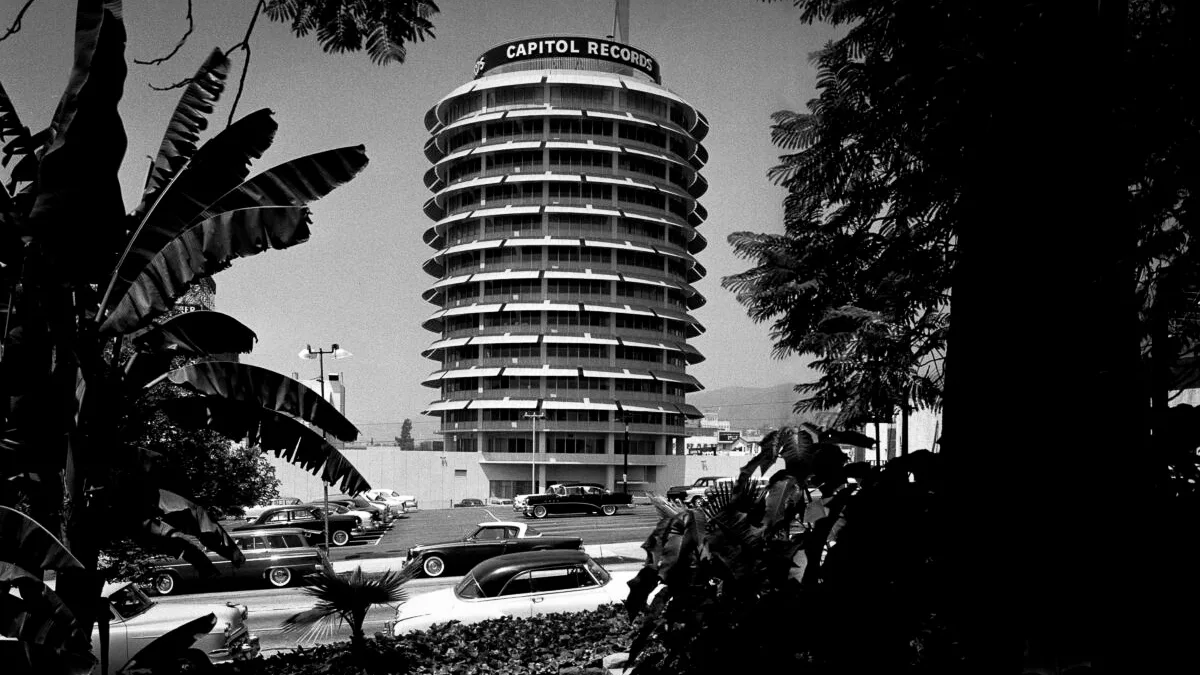
The red beacon atop the tower has blinked "Hollywood" in Morse code since 1956, an idea from Capitol president Alan Livingston, switched on at the dedication by Samuel Morse's own granddaughter, Leila Morse. Below it, Les Paul-designed underground echo chambers gave records by Sinatra and Nat King Cole their signature sound. And the round shape? Coincidence. The architect's team says it was practical, not a tribute to a stack of vinyl.
Good to knowThe beacon was briefly reprogrammed to spell "Capitol 50" in 1992, and, unnoticed for a while, an album promo in 2013. It's a working studio, so admire it from the street.
10TCL Chinese Theatre
Hollywood Boulevard · Hollywood
Tours & IMAXOpened 1927Staged legend
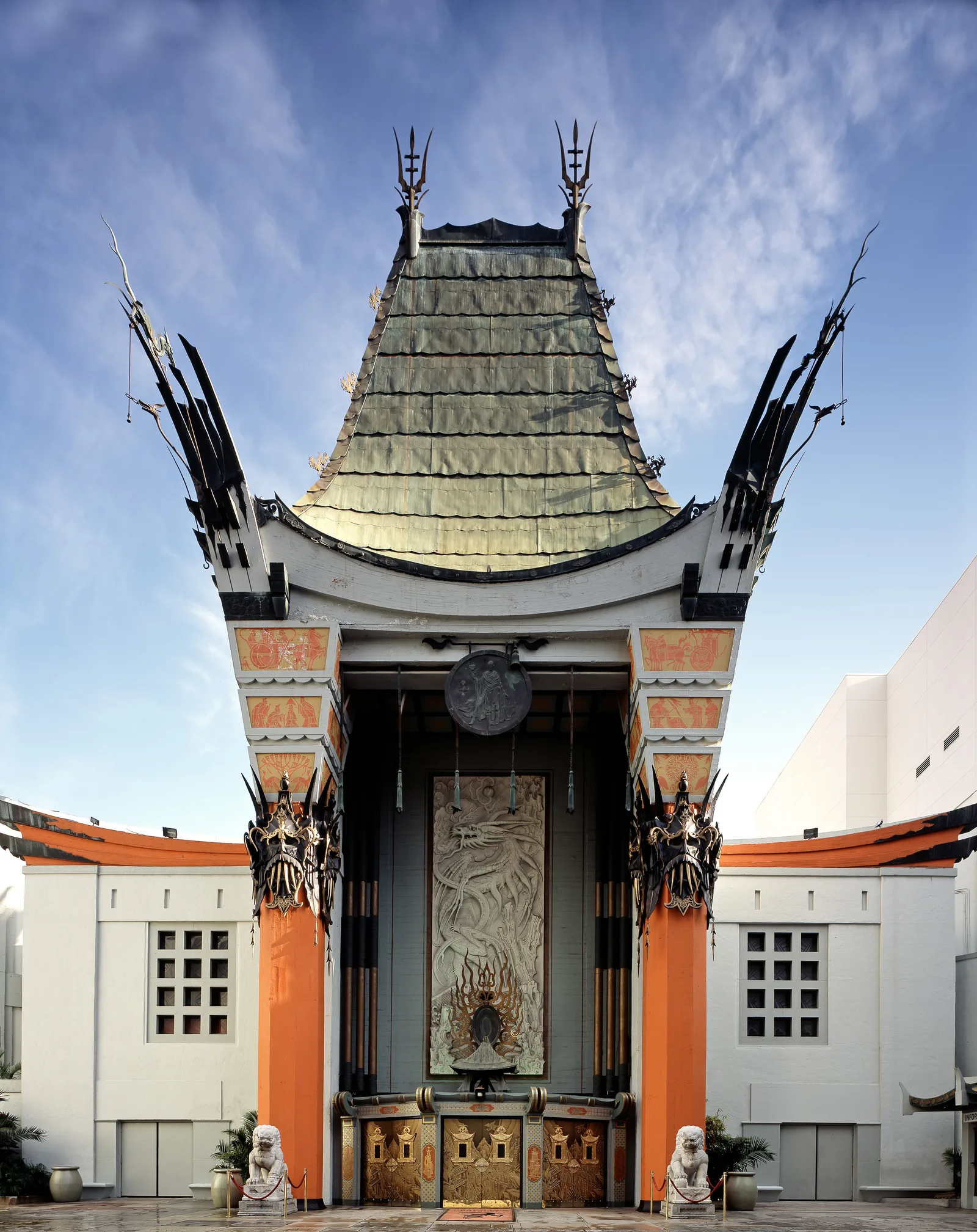
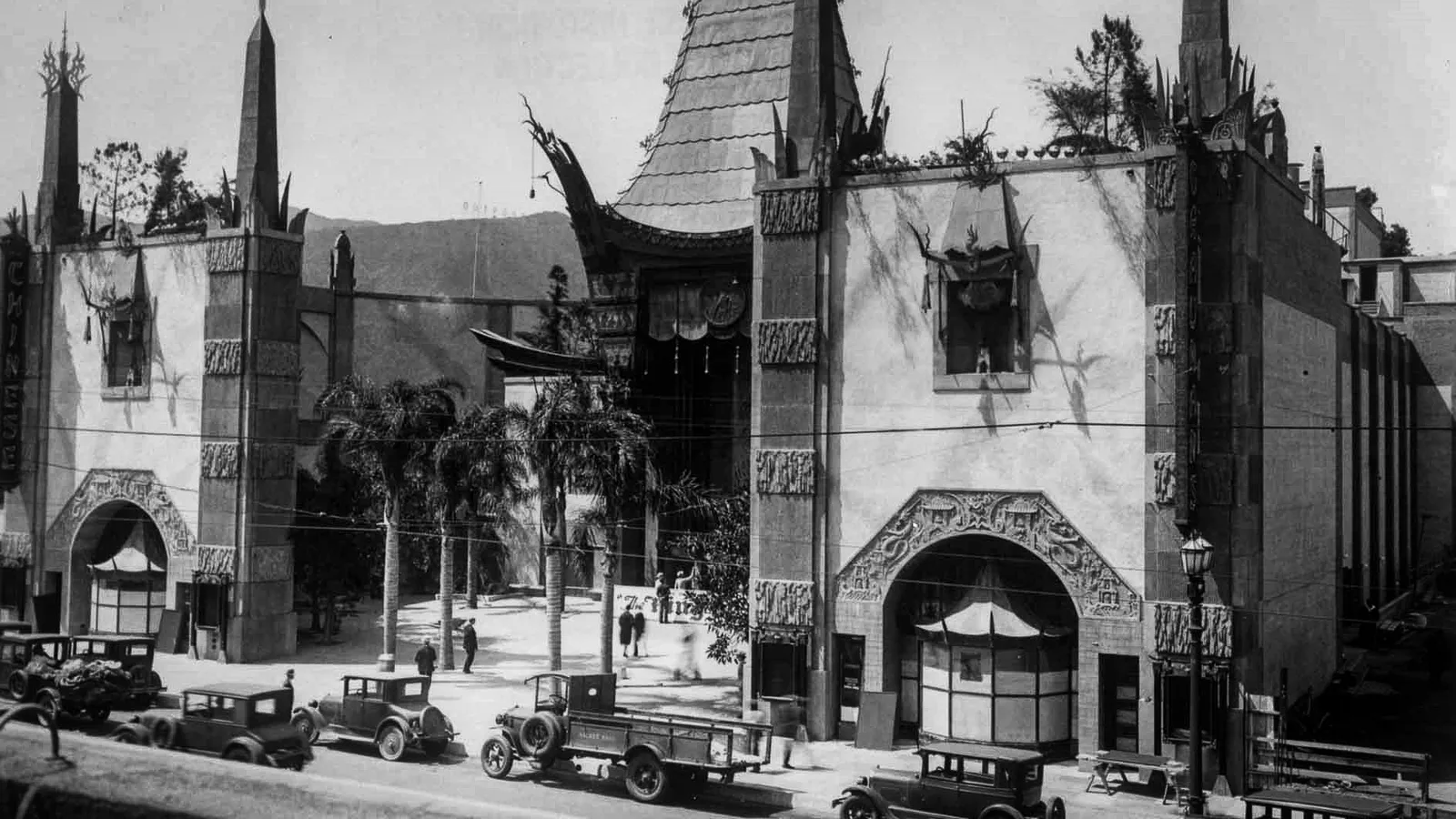
The forecourt handprint tradition began in 1927, but the romantic tale of Norma Talmadge "accidentally" stepping in wet cement is the theatre's own legend. The first prints actually belong to Douglas Fairbanks and Mary Pickford, and founder Sid Grauman separately claimed he stepped in it first, staging the whole ritual as showmanship. The unusual impressions are real, though: Whoopi Goldberg's dreadlock, John Wayne's fist, Harold Lloyd's glasses, Betty Grable's leg.
Good to knowOpening night, May 18, 1927, premiered Cecil B. DeMille's The King of Kings. Today you can catch an IMAX film or take a guided forecourt tour.
A few more worth knowing
- You can't walk up to the Hollywood Sign. It's fenced, camera-monitored, and watched by an on-site officer. View it free from Griffith Observatory, Lake Hollywood Park, or the Mount Lee trails.
- The 2025 fires spared these landmarks. All ten are intact. The Getty was threatened but its fire-resistant design held.
- Most are free. Griffith Park, the Walk of Fame, Grand Park, Venice, and even the Getty (parking is paid) cost nothing to visit.
- Verify the legends. LA runs on myth, so we've marked which "hidden facts" are true and which are folklore. When in doubt, the record wins.
Frequently asked
Did the Hollywood Sign originally say something else?
Yes. It read "Hollywoodland," a 1923 real-estate advertisement meant to last eighteen months. The "LAND" was removed in 1949, and the city eventually took ownership of what had been a temporary billboard.
What does the Capitol Records tower blink in Morse code?
The word "Hollywood," and it has done so continuously since 1956. Samuel Morse's granddaughter switched the beacon on at the building's dedication.
Why is Dodger Stadium controversial?
It was built on three razed Mexican-American neighborhoods in Chavez Ravine, whose residents were evicted through eminent domain. The final, forced evictions in May 1959 became known as the Battle of Chavez Ravine.
Can you walk up to the Hollywood Sign?
No. It is fenced and guarded. You can view it for free from Griffith Observatory, Lake Hollywood Park, Mulholland Drive, or the hiking trails on Mount Lee.
Who really got the first Walk of Fame star?
Director Stanley Kramer received the first star of the official Walk on March 28, 1960. Joanne Woodward's 1958 star, often called the first, was actually one of eight demonstration prototypes.
Did the January 2025 wildfires damage these landmarks?
No. All ten are intact. The Getty Center was threatened by the Palisades Fire, but its fire-resistant design, cleared brush, water tanks, sealed air handling, protected the collection.