Los Angeles Visitor FAQ: Everything You Need to Know Before You Go
Time zone, weather, safety, and real 2026 prices, the practical facts every LA-bound traveler actually needs, answered straight.
By LA Today·Updated Jul 26, 2026 Verified July 2026
Los Angeles runs on Pacific Time, covers roughly 503 square miles across 88 cities in LA County, and mixes a laid-back beach vibe with big-city prices. Expect a Mediterranean climate most of the year, budget for a rental car or rideshares to get around, and stick to well-lit, well-trafficked areas after dark like you would in any major city.
Los Angeles is enormous and famously confusing for first-timers, so this FAQ answers the practical questions people actually ask before they land: what time zone LA is in, what the weather and safety situation really look like, what things cost right now, and how to get around town. Think of it as the logistics companion to our full neighborhood-by-neighborhood guide.
A few things have changed since this page was last checked. The city's minimum wage rose to $18.42 an hour on July 1, 2026, California's average gas price has been running around $5.46 a gallon, and Metro's D Line subway opened its first extension segment, Koreatown to Beverly Hills, on May 8, 2026. The 2026 point-in-time count also showed homelessness ticking back up citywide after two years of declines, and parts of Pacific Palisades are still rebuilding after the January 2025 wildfires, both worth knowing before you plan a visit.
Los Angeles at a glance
What
Good to know
Time zone
Pacific Time (PST in winter, PDT in summer)
Land area
About 503 square miles, spread across LA County's 88 cities
Population (city)
Just under 3.9 million
Sales tax
9.75%
Minimum wage (city)
From $18.42/hour, effective July 1, 2026
Average gas price
Around $5.46/gallon for regular, CA statewide average
Best time to visit
March through May, or September through November
What Time Zone Is Los Angeles In?
Los Angeles runs on Pacific Time (PT), the westernmost time zone in the continental U.S. Clocks move forward an hour each spring for Pacific Daylight Time (PDT) and back each fall for Pacific Standard Time (PST). PT is 3 hours behind New York, 2 hours behind Denver, and 8 hours behind London.
Know before you go: Daylight Saving Time starts the second Sunday in March and ends the first Sunday in November, so double check flight and event times if you're traveling near those dates.
What Time Is It in Los Angeles Right Now?
Your phone updates automatically the moment you land, but it helps to know the offset before you go. LA runs 3 hours behind New York and Chicago's Central Time is 2 hours ahead, so a 9am call in LA is already noon on the East Coast. Your phone's built-in world clock or a site like time.gov is the easiest way to double check before scheduling calls home, especially if you're coordinating a flight connection or an international video call.
What Time Does the Sun Rise and Set in LA?
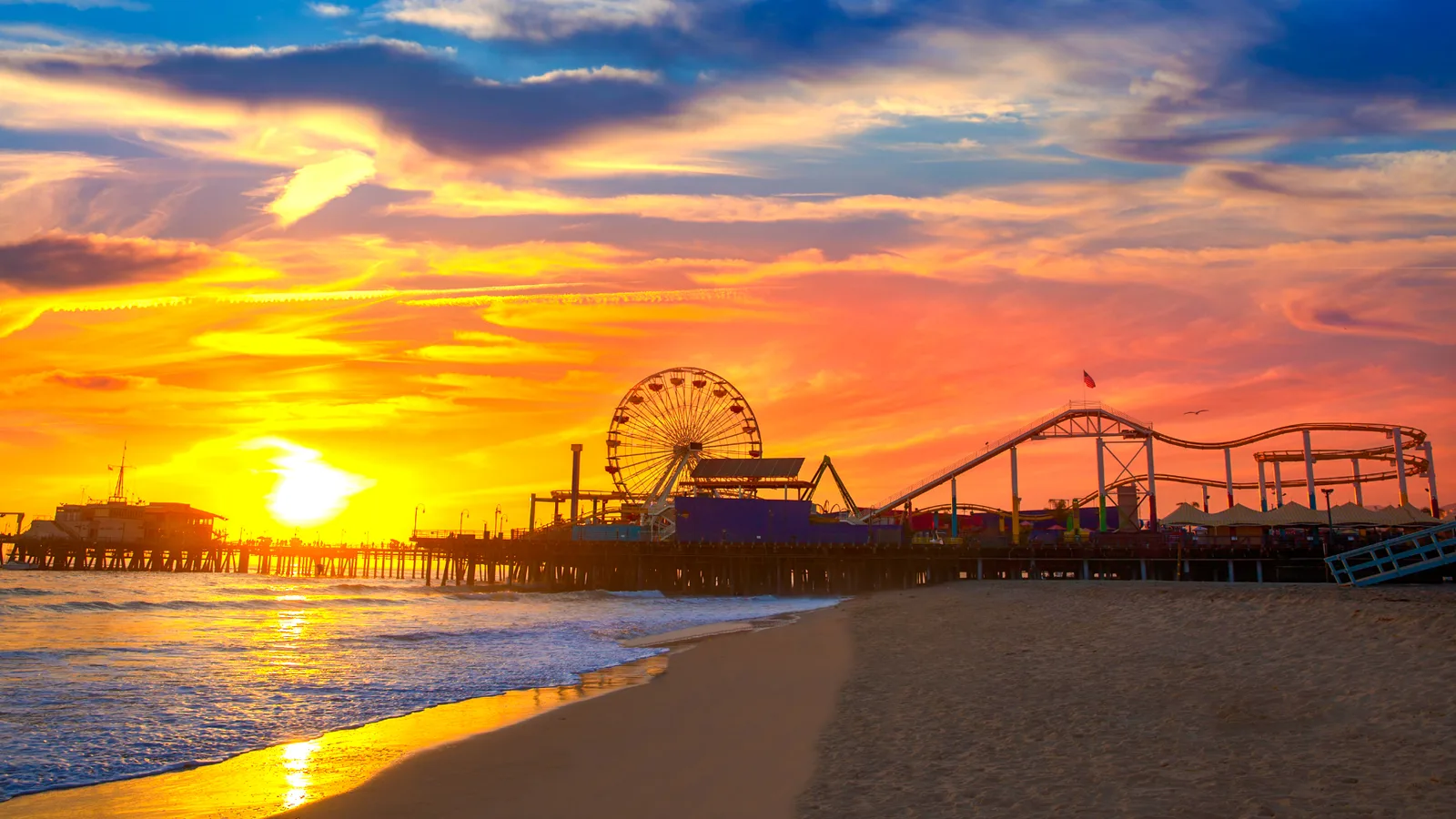
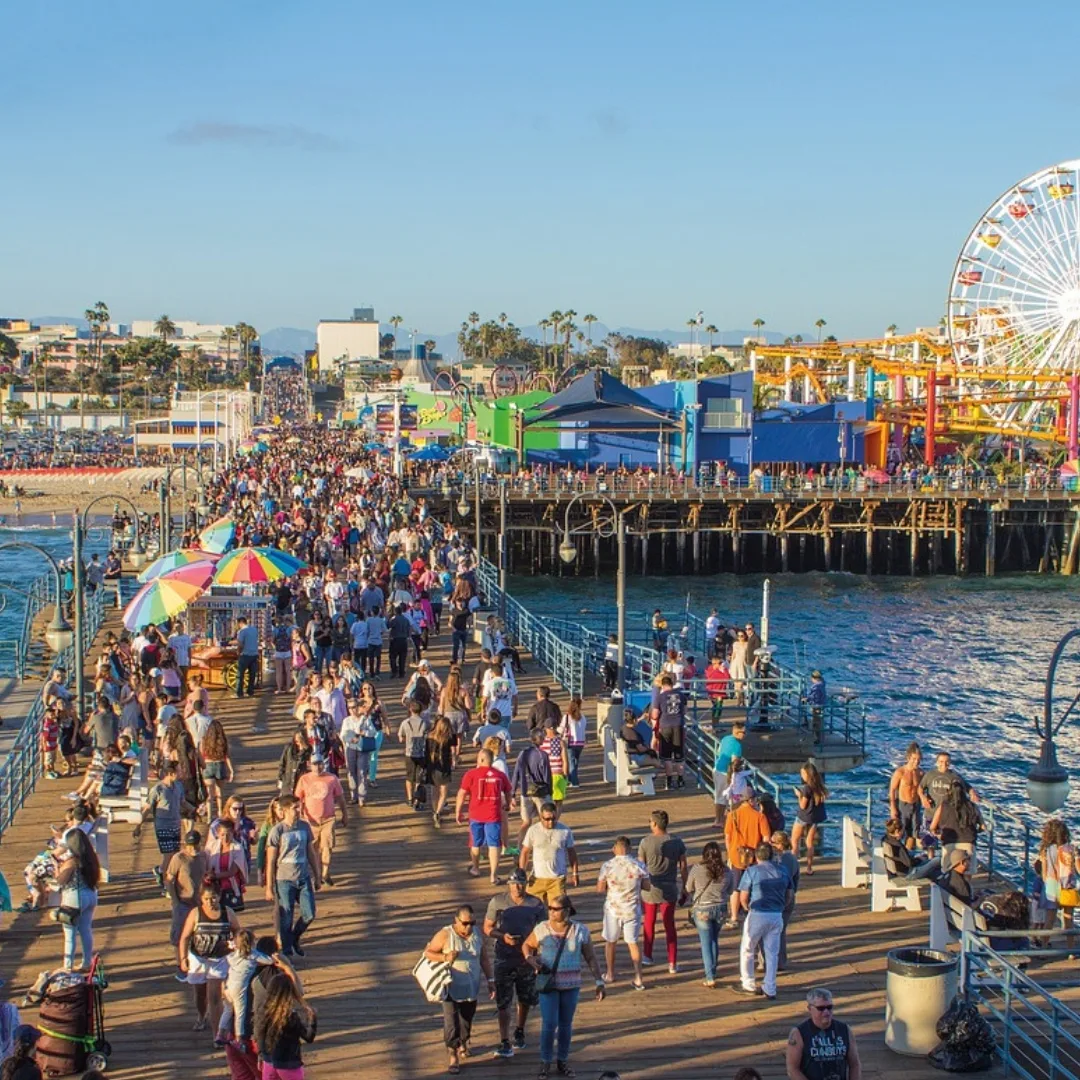
Sunset runs around 8 PM in summer and 5 PM in winter, and sunrise runs around 5:45 AM in summer and 6:45 AM in winter. Exact times shift daily, so check a weather app before you head out. Griffith Observatory and the Santa Monica Pier are two of the most reliable spots to catch either one.
When Is the LA Marathon?
The Honda Los Angeles Marathon runs every spring on a point-to-point course from Dodger Stadium, past Hollywood and Beverly Hills, to the Pacific Ocean in Santa Monica. The next race is scheduled for March 7, 2027. Check lamarathon.com for registration, road closures, and the exact route.
Know before you go: Large stretches of the course close to traffic on race day, plan around it if you're driving across town that morning.
When's the Best Time to Visit Los Angeles?
March through May or September through November, when temperatures are mild and the biggest summer crowds have thinned out. Midsummer (June through August) brings warm, dry weather and the heaviest tourist traffic at beaches and theme parks, while spring and fall get nearly the same sunshine with shorter lines and easier parking.
What Is Los Angeles Weather Like?
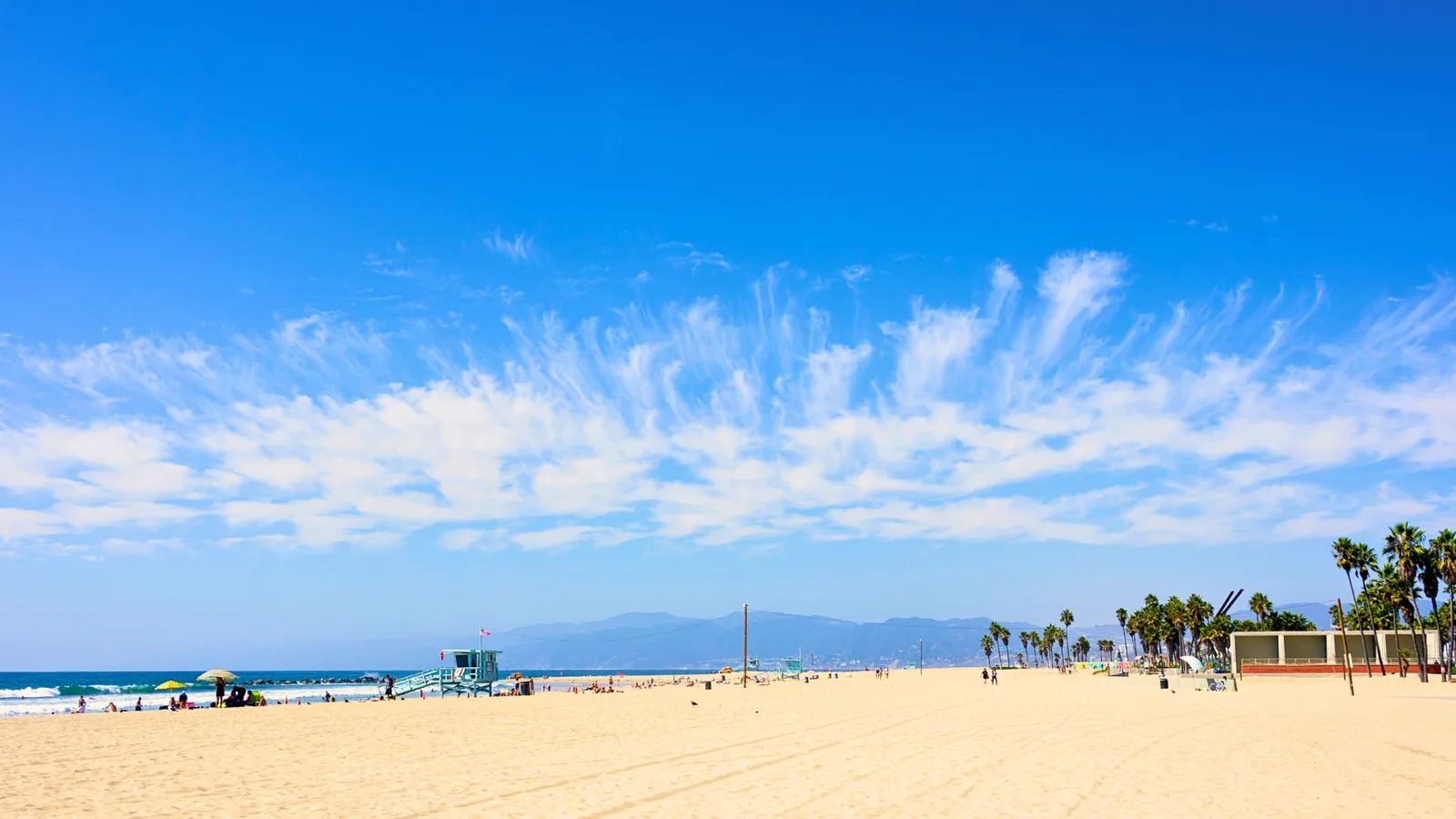
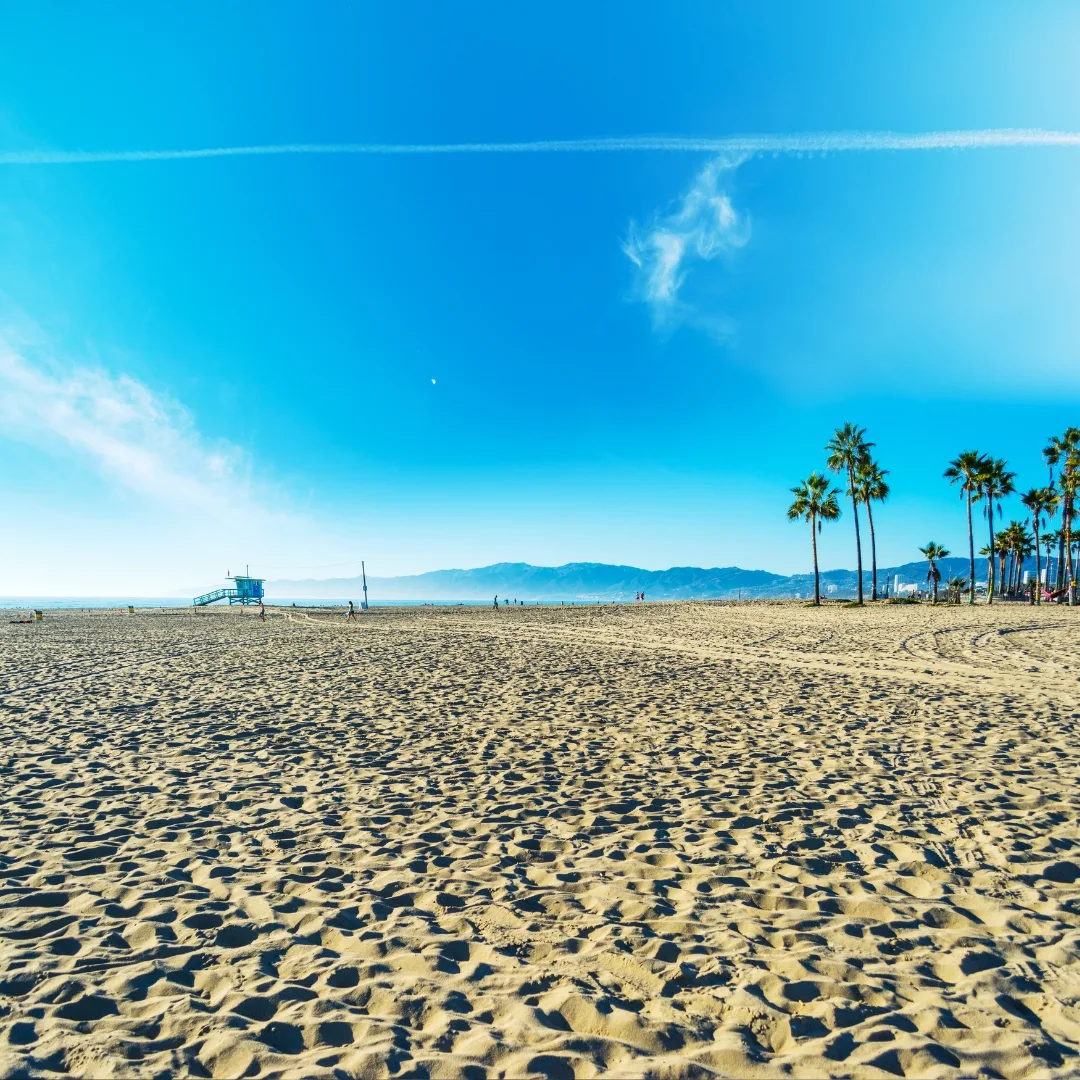
LA has a Mediterranean climate: warm, dry summers and mild, wetter winters. Summer highs run around 85°F (29°C) inland, while winters average around 68°F (20°C). Coastal neighborhoods like Santa Monica and Venice stay several degrees cooler thanks to the ocean breeze, so pack a light layer even in July.
Does It Snow in Los Angeles?
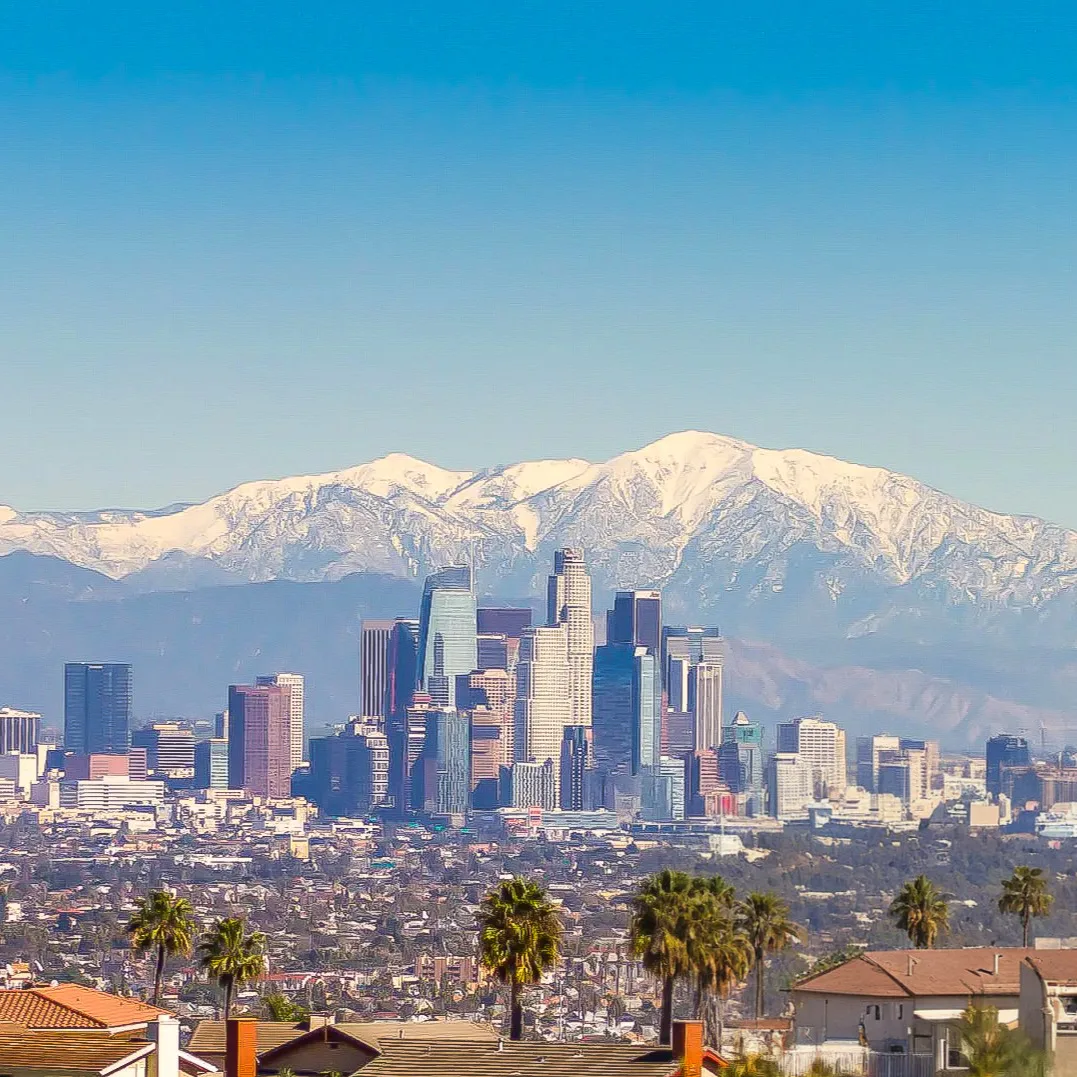
Essentially never in the city itself. For real snow, drive about an hour into the San Gabriel Mountains, where Mount Baldy has the closest lift-served winter sports. You can often see snow dusting those peaks from Downtown LA in winter without ever leaving the city.
What Are the Area Codes in Los Angeles?
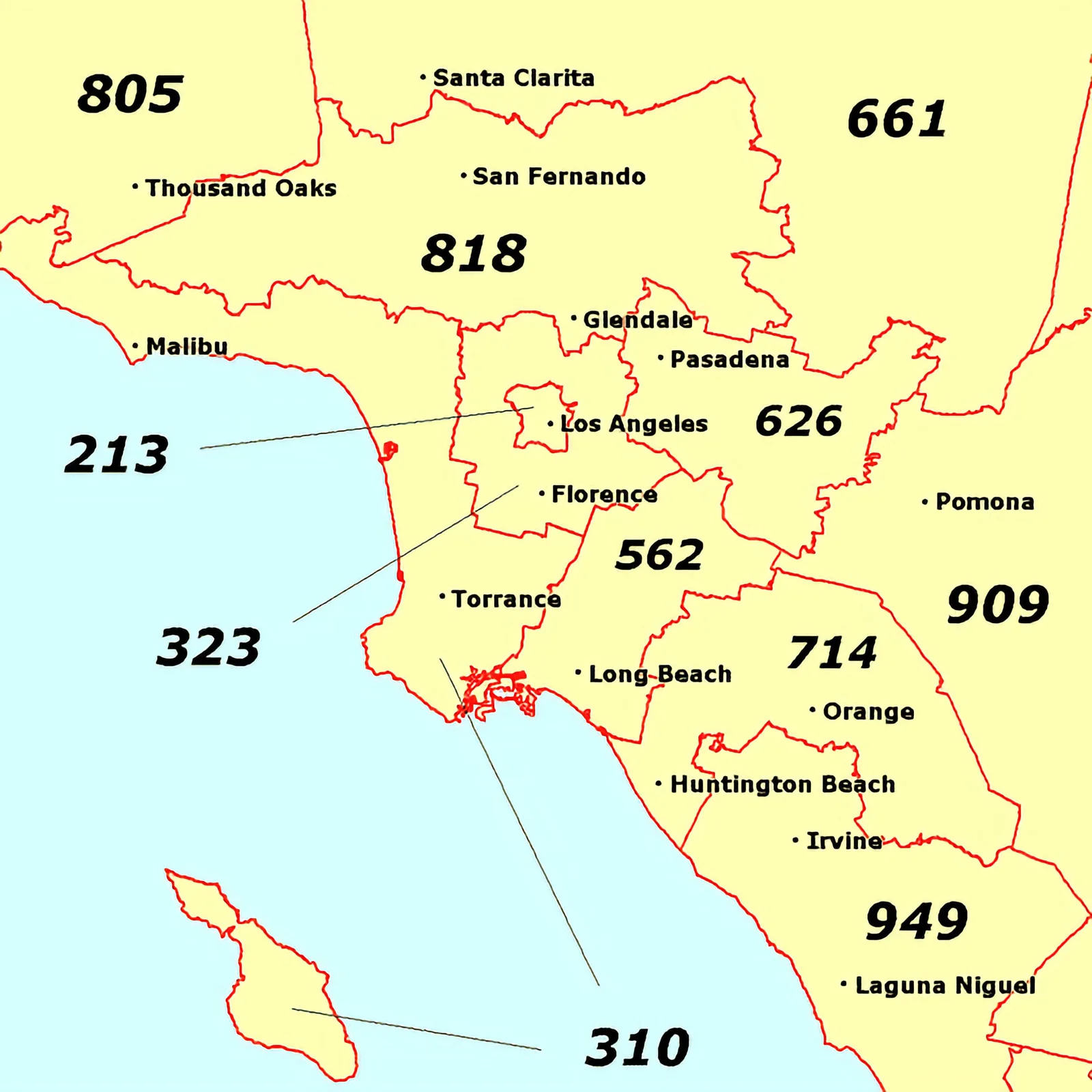
The urban core uses 213 and 323, the Westside and beach cities use 310 and 424, and the San Fernando Valley uses 818 and 747. Neighborhoods can share the same physical area with different codes layered in over the years, so don't assume where someone is based on their area code alone.
How Big Is Los Angeles?
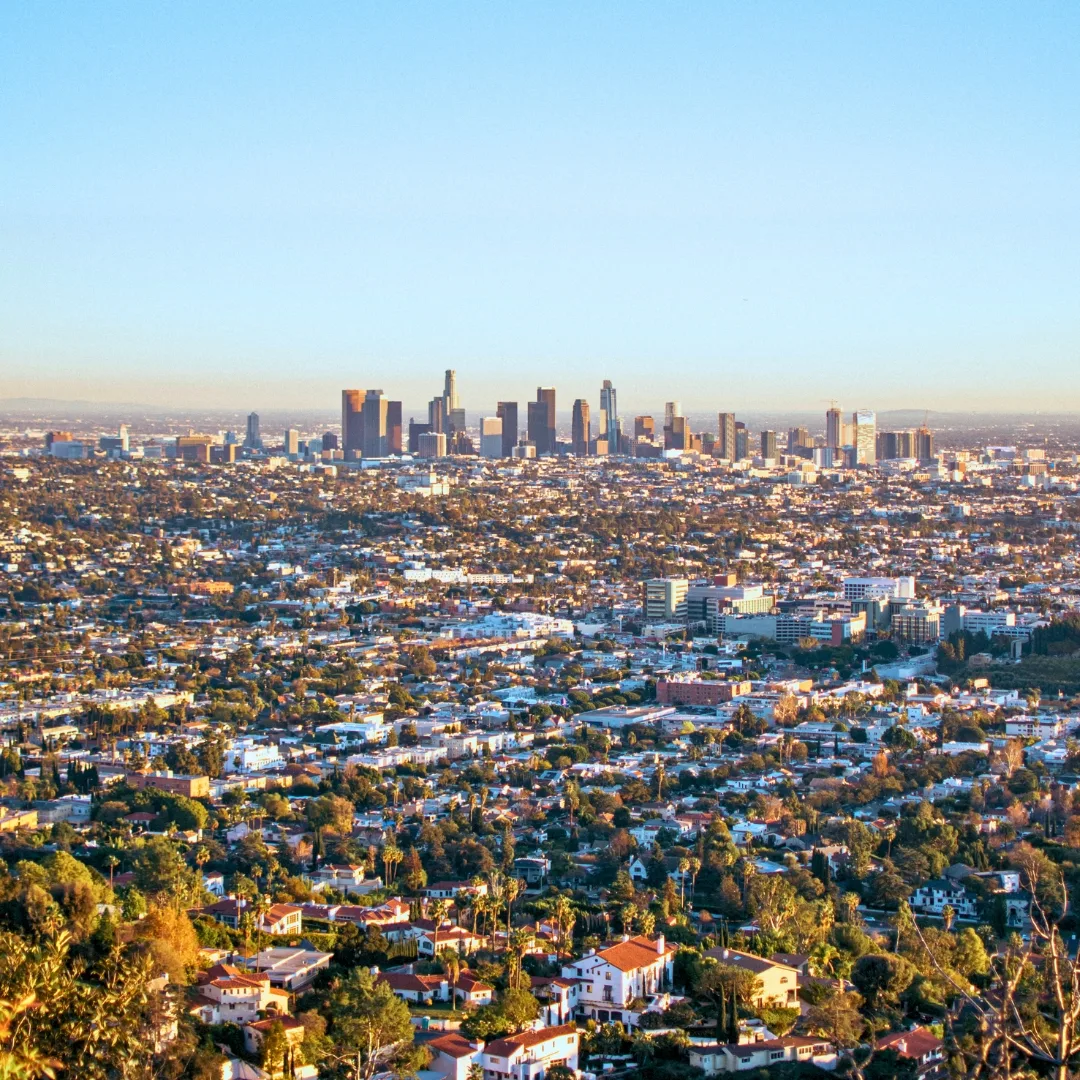
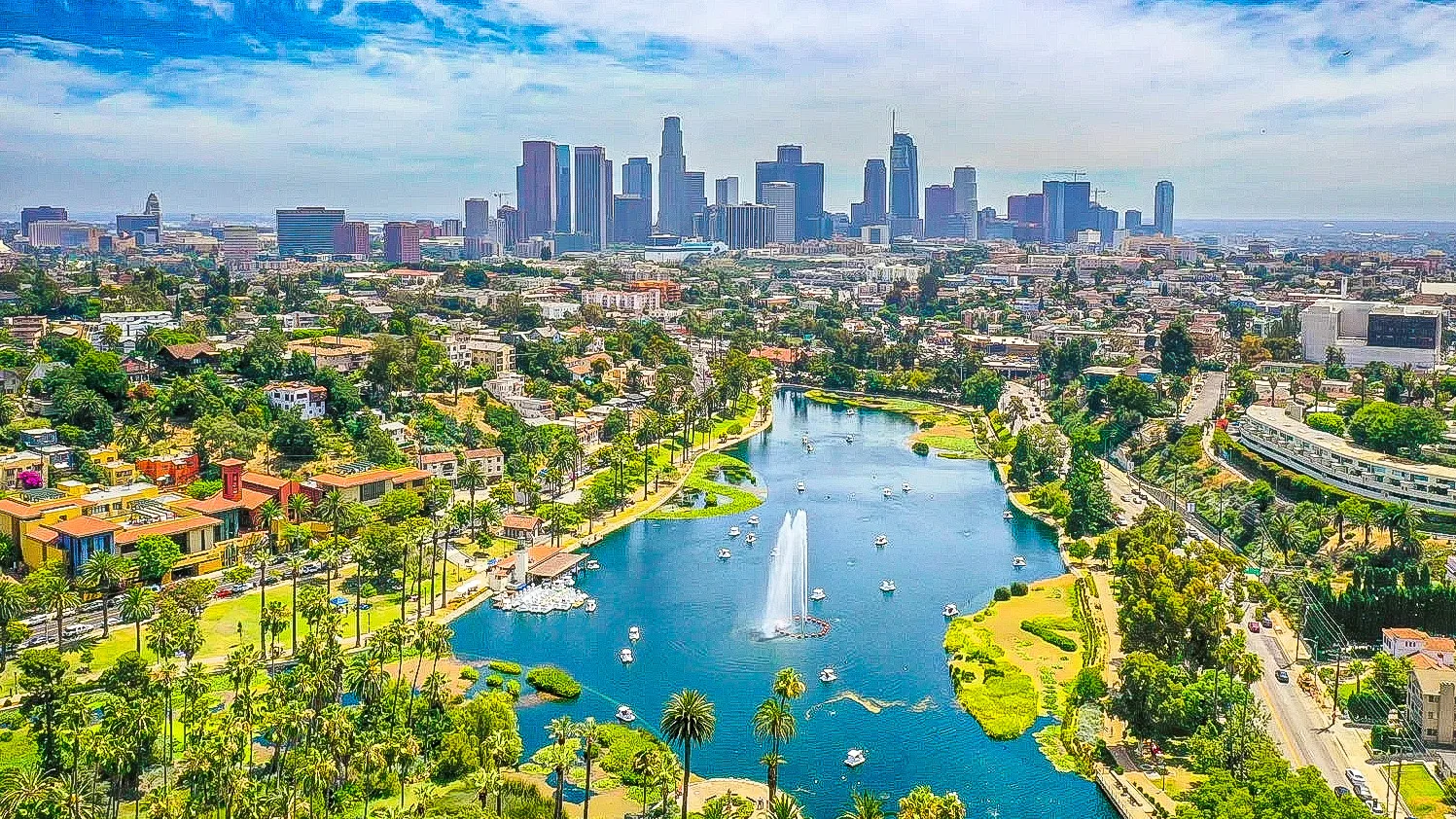
The city covers roughly 503 square miles, one of the largest land areas of any major U.S. city. That sprawl is why it can take well over an hour to cross town without traffic, and why locals plan their day around which side of the city they're on.
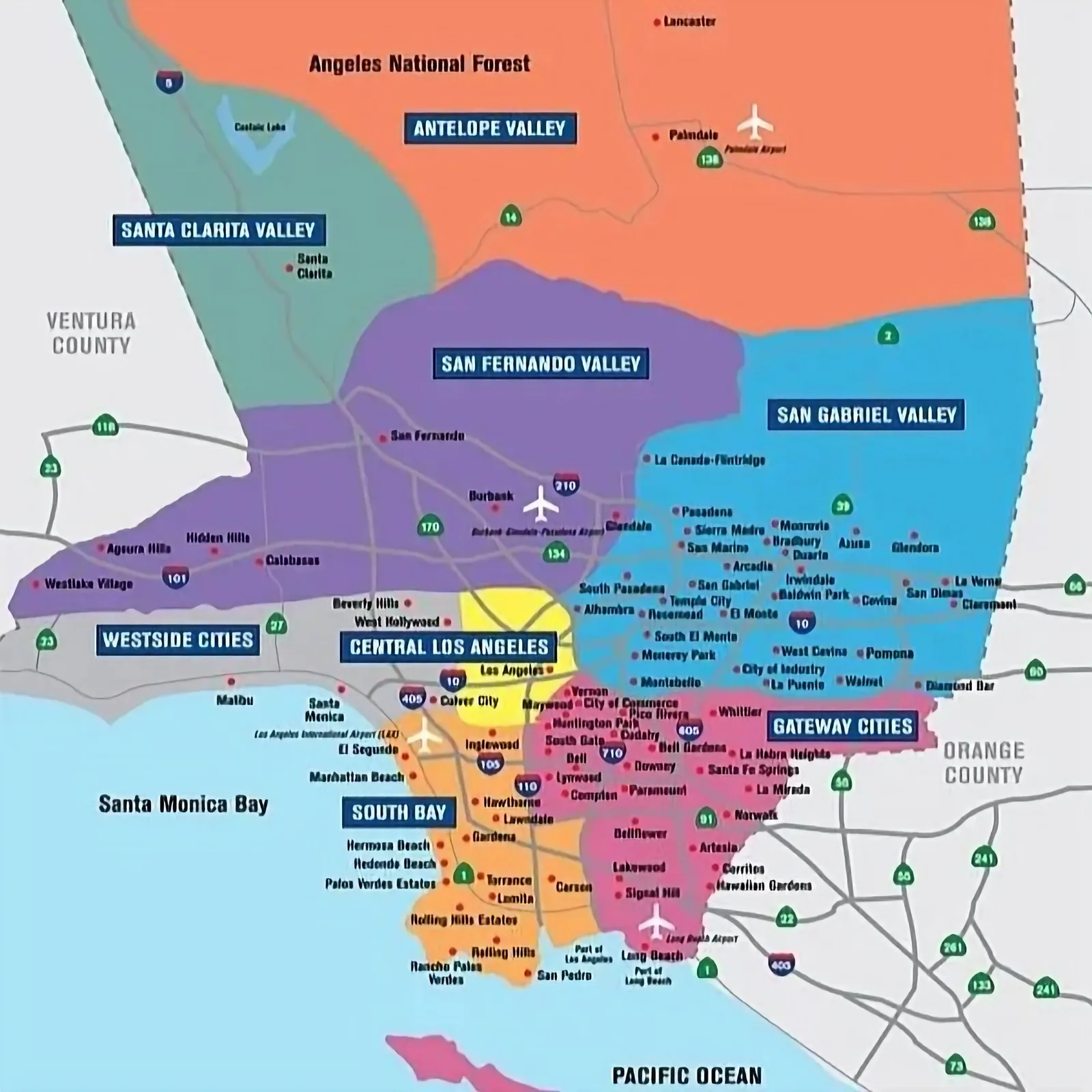
What Cities Are in LA County?
LA County comprises 88 incorporated cities, including Santa Monica, Beverly Hills, Long Beach, and Pasadena, each with its own government and personality. Santa Monica is known for its beach and pier, Pasadena hosts the Rose Parade every New Year's Day, and many of these "cities" blend into each other with no visible border in between.
How Many People Live in Los Angeles?
The city itself is home to just under 3.9 million people, the second most populous city in the U.S. after New York. The wider metro area, spanning surrounding counties, tops 13 million, making it one of the largest metropolitan regions in the world.
When Was Los Angeles Founded?
Los Angeles was founded on September 4, 1781, as El Pueblo de Nuestra Señora la Reina de los Ángeles de Porciúncula. The original townsite is preserved today as Olvera Street, a historic Mexican marketplace just a few blocks from LA's modern skyscrapers.
Is Los Angeles in California?
Yes, Los Angeles is California's largest city and one of its major economic and cultural engines, alongside San Francisco and San Diego. It anchors Southern California's entertainment, technology, trade, and tourism industries and sits along more than 70 miles of Pacific coastline within LA County.
Where Is Hollywood in Los Angeles?
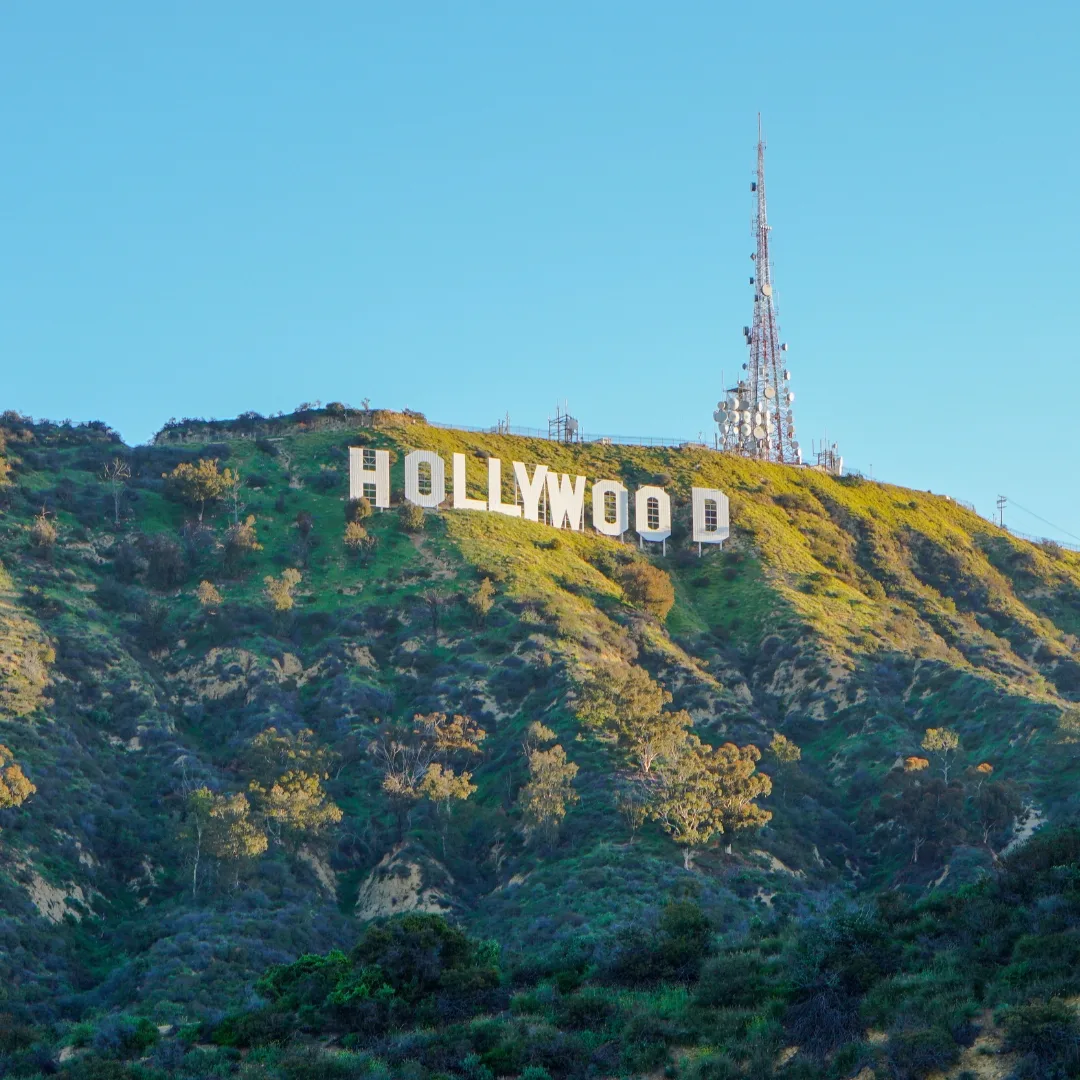
Hollywood is a neighborhood roughly in the center of the city, not a separate town. It's home to the entertainment-industry landmarks most visitors come for: the Hollywood Walk of Fame, the TCL Chinese Theatre, and the Hollywood Sign in the hills above it, plus a busy strip of dining and nightlife along Hollywood Boulevard.
Does Los Angeles Have a Subway?
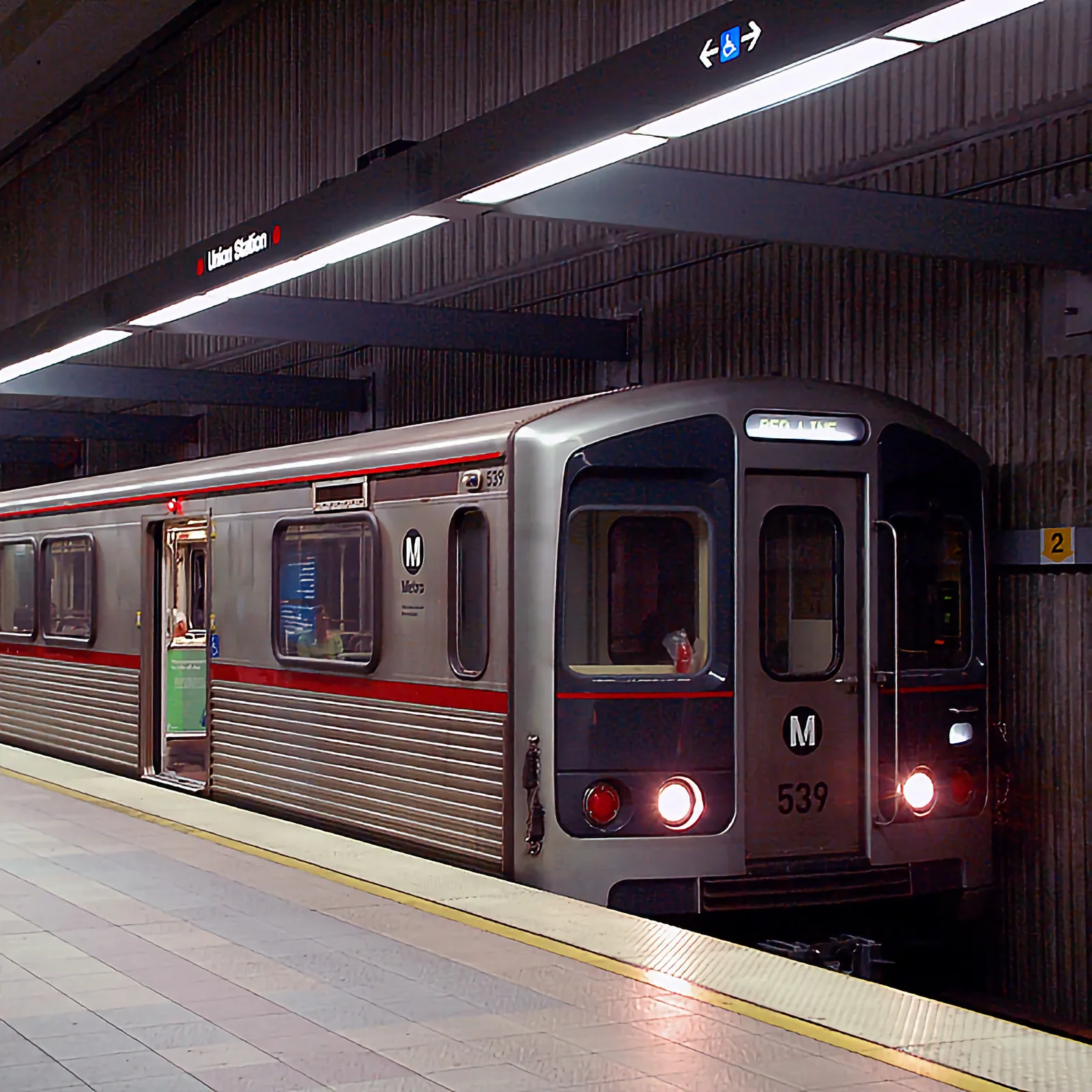
Yes. Metro Rail's B Line (formerly the Red Line) and D Line (formerly the Purple Line) run underground through Downtown, Koreatown, Hollywood, and North Hollywood. The D Line's westward extension opened its first new section, Koreatown to Beverly Hills, on May 8, 2026, with further stations toward Century City and Westwood still under construction.
Know before you go: Tap on with a TAP card or the TAP app, a day pass caps your fare no matter how many rides you take.
Is Los Angeles Safe?
Generally yes, especially in tourist-heavy areas like Hollywood, Santa Monica, and Beverly Hills during the day. Brentwood, Pacific Palisades, and Bel Air are known as some of the city's safest residential areas. Stay aware of your surroundings after dark, like you would in any major city, avoid walking alone through quiet stretches late at night, and keep valuables out of sight in parked cars, car break-ins are a common, low-level nuisance crime in tourist-heavy lots and street parking near beaches and attractions.
Where Is Skid Row in LA?
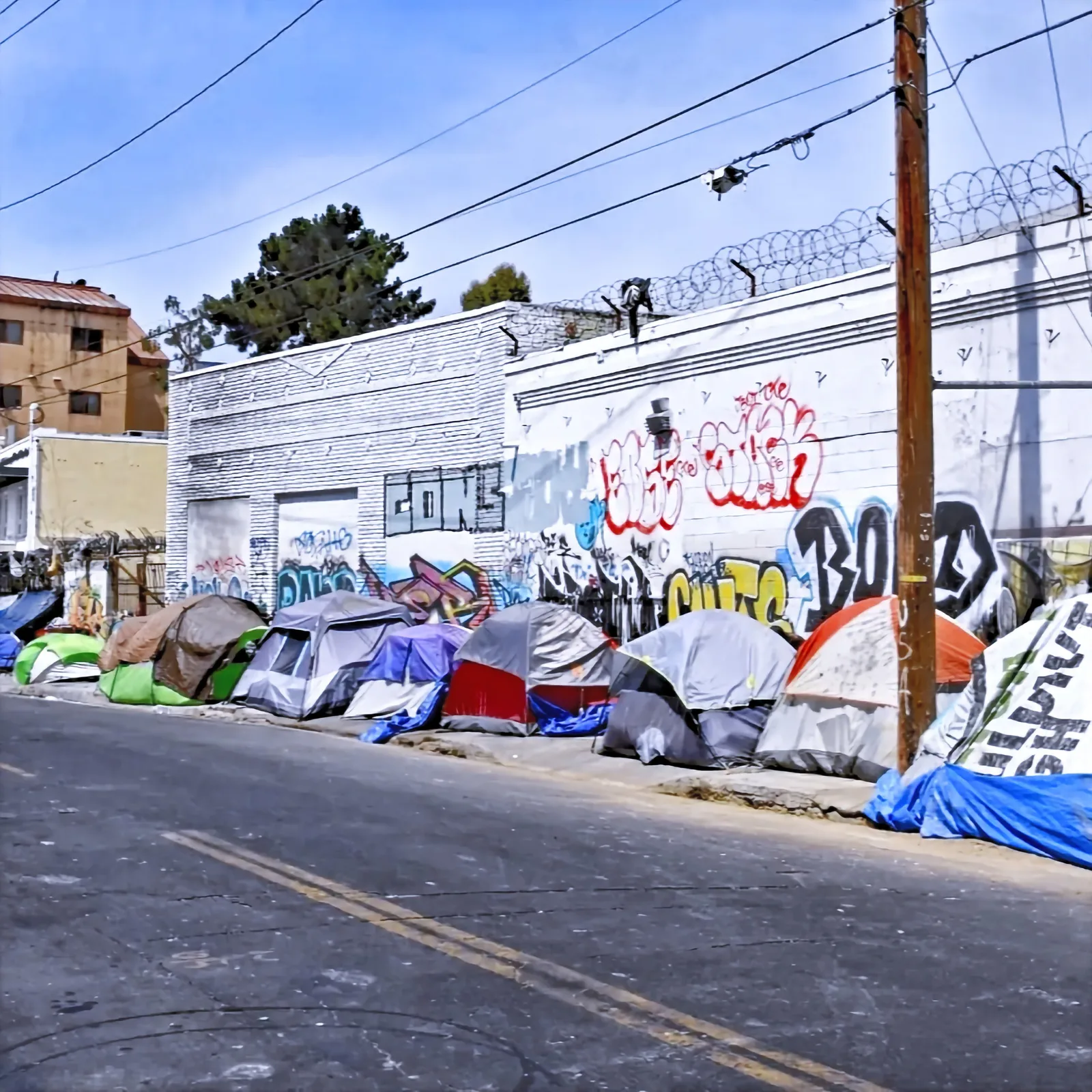
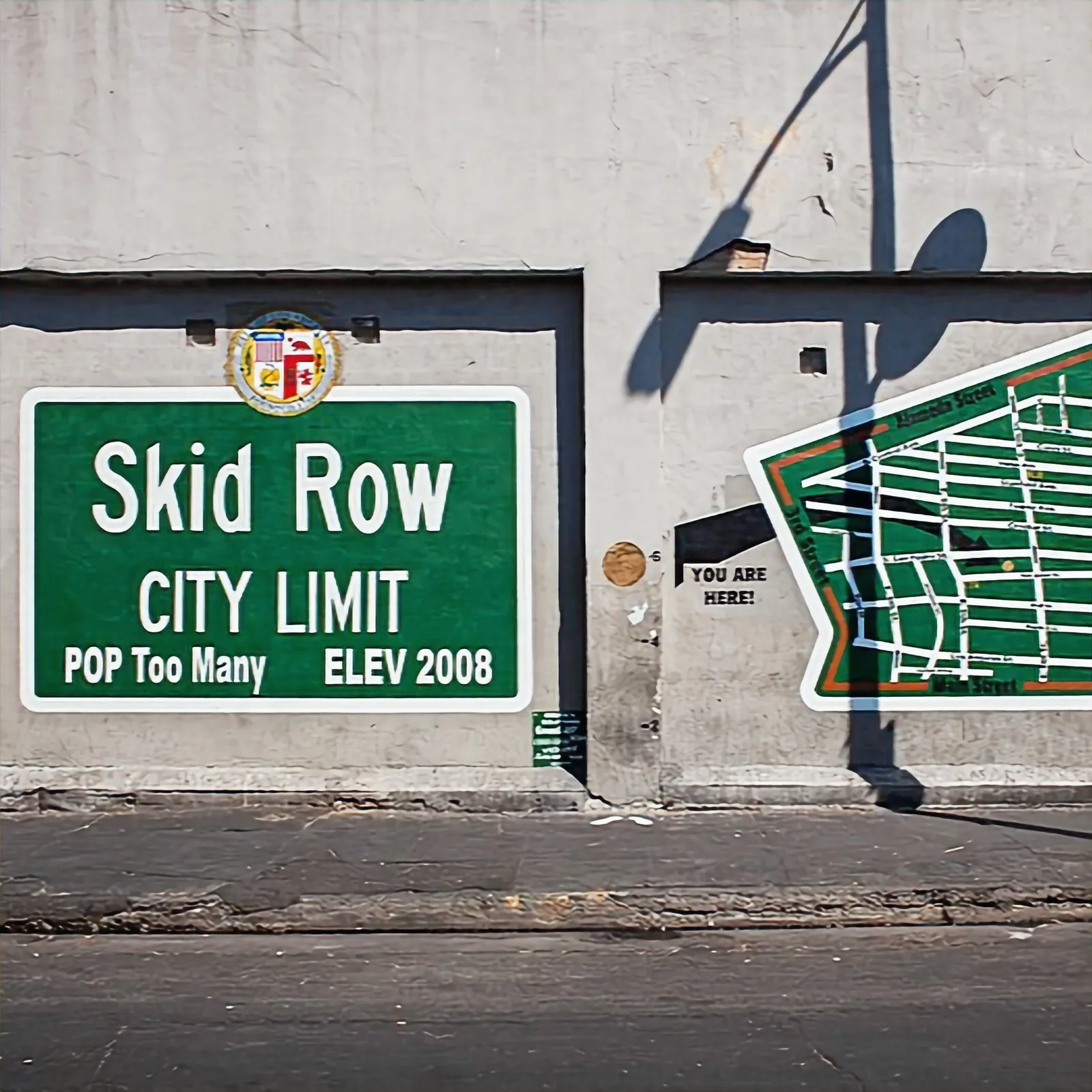
Skid Row sits in Downtown LA, roughly bounded by Main Street to the west, 3rd Street to the north, Alameda Street to the east, and 7th Street to the south. It's a roughly 50-block area with one of the country's largest concentrations of unhoused residents and homeless services. It's best seen by car during the day; avoid walking through it, especially alone or after dark.
How Many Homeless People Are in Los Angeles?
The 2026 point-in-time count found about 45,200 people experiencing homelessness in the city of LA, up 3.4% from the year before, and about 73,000 countywide, up 1.2%. Both figures rose after two straight years of declines. Local government and nonprofits continue to run outreach and housing programs, and the annual Greater LA Homeless Count is the most current source for updated numbers.
How Much Is Gas in Los Angeles?
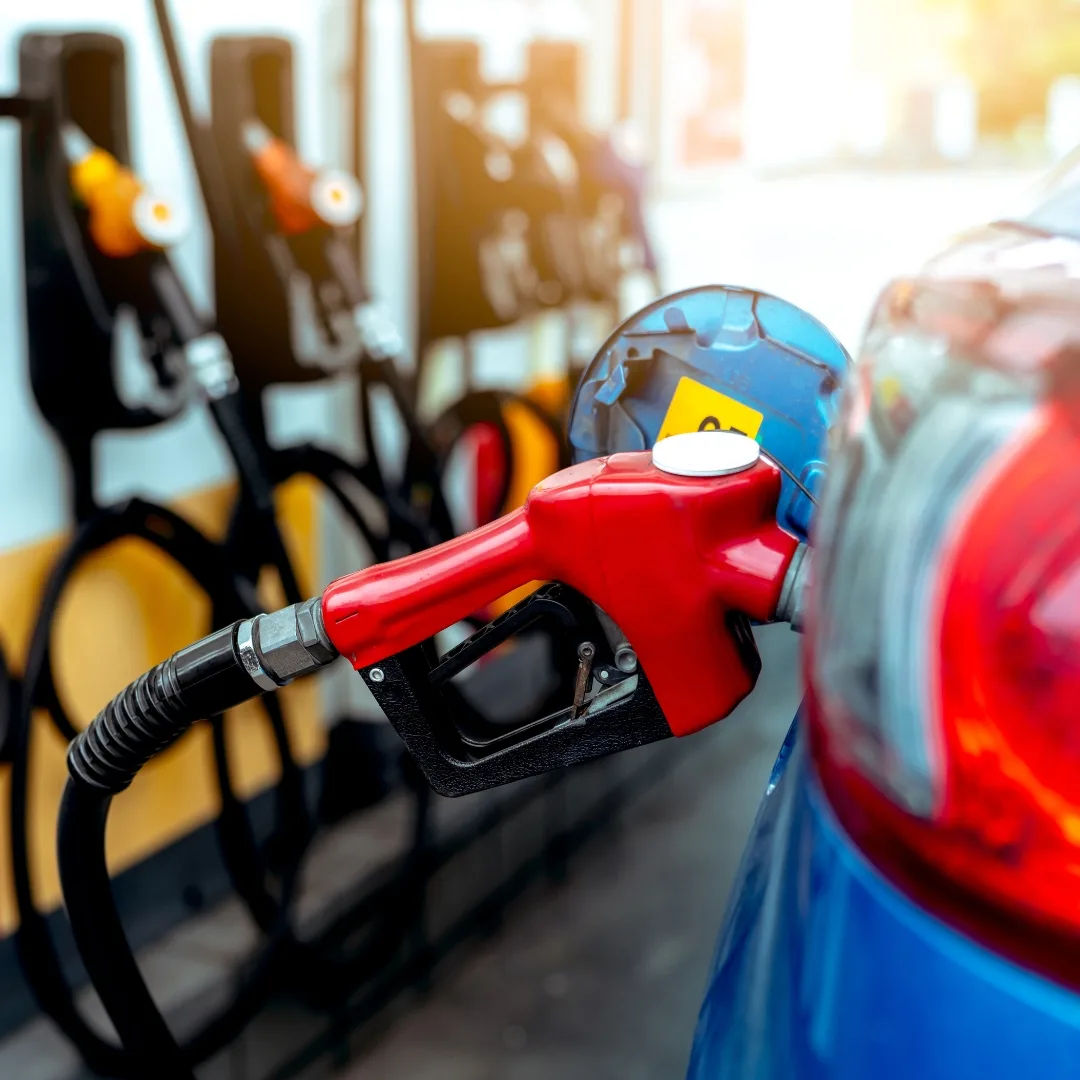
California's statewide average was running around $5.46 a gallon for regular in mid-July 2026, among the highest in the country because of state taxes and cleaner-burning fuel requirements. Prices vary by neighborhood and swing with global oil prices, so check an app like GasBuddy for current numbers near you.
What Is the Minimum Wage in Los Angeles?
The city's minimum wage rose to $18.42 an hour on July 1, 2026, higher than both the federal minimum and California's statewide minimum. It's a useful gut check for pricing: if a service feels expensive here, it's often because LA's cost of doing business runs higher than most of the country.
What Is the Sales Tax in Los Angeles?
The combined state, county, and city sales tax rate in Los Angeles is 9.75%. It applies to most goods and services, though groceries and prescription medication are generally exempt, so factor it into any big-ticket purchase.
Should I Rent a Car in Los Angeles?
For most visitors, yes. LA's attractions are spread across dozens of neighborhoods that public transit doesn't fully connect, and a car makes it far easier to string together a day of sightseeing that spans, say, the beach in the morning and Downtown in the afternoon. Rideshares like Uber and Lyft are a solid alternative if you're mostly staying in one or two areas and want to skip parking, and many hotels in Hollywood, Downtown, and Santa Monica are walkable enough that a car becomes optional once you're settled in.
How Much Is Uber in Los Angeles?
Fares vary widely with distance, traffic, and demand, but a typical ride within the city starts around $10 to $15 and climbs from there. Surge pricing kicks in during rush hour, big events, and late-night weekend hours, so check the fare estimate in the app before you confirm.
Should I Move to Los Angeles?
It depends on your budget and priorities. LA offers strong career opportunities in entertainment, tech, and beyond, plus mild weather year-round, but housing costs, traffic, and the cost-of-living factors above are real trade-offs. The city's population has dipped slightly in recent years, partly driven by affordability, so weigh that against the lifestyle before you commit.
A few more things worth knowing
LAX (Los Angeles International Airport) is the main gateway; Burbank (BUR) and Long Beach (LGB) are smaller, often less congested alternatives for domestic flights.
The 405 freeway through the Sepulveda Pass is one of the most notoriously congested stretches in the country, build in extra time if your route crosses it during rush hour.
Pacific Palisades is still rebuilding after the January 2025 wildfires. Some homes, businesses, and stretches of Pacific Coast Highway remain under repair into 2026, so check current conditions before planning a trip through that area.
Beach parking runs pricier and more limited than parking inland. Municipal lots at Santa Monica and Venice fill up fast on warm weekends, arrive early or plan on a rideshare.
Tipping norms follow the rest of the U.S.: around 18 to 20% at sit-down restaurants, a few dollars per bag for hotel bellhops, and a similar percentage for rideshare and taxi drivers.
English is the primary language everywhere, but Spanish is widely spoken across the city, and many menus, signs, and city services are bilingual.
What to Do in Los Angeles
From world-class museums and avant-garde art districts to catching waves in Malibu, hiking Griffith Park, or discovering a hidden downtown speakeasy, LA offers an enormous range of things to do once you've got the logistics down.
Generally, yes, especially in tourist-heavy areas like Hollywood, Santa Monica, and Beverly Hills during the day. Stay alert after dark and skip walking through Skid Row, the roughly 50-block stretch of Downtown LA (bounded by Main, 3rd, Alameda, and 7th Streets) that has one of the country's largest concentrations of unhoused residents. The city's 2026 homeless count found about 45,200 people experiencing homelessness citywide, up 3.4% from the prior year after two years of declines, so it's still a visible issue downtown.
Does it ever snow in Los Angeles?
Basically never in the city itself. For snow, drive about an hour to the San Gabriel Mountains, Mount Baldy has the closest winter sports.
Do I need a car in LA, or can I get by with Uber and the Metro?
A car still makes it easiest to cover LA's spread-out neighborhoods, but you can manage without one. Metro's B Line (formerly the Red Line) and D Line (formerly the Purple Line) connect Downtown, Hollywood, and North Hollywood, and the D Line opened its first westward extension segment, Koreatown to Beverly Hills, in May 2026. Uber and Lyft fill in the gaps, rides typically start around $10 to $15 and climb from there depending on distance and demand.
Is Pacific Palisades safe to visit after the 2025 wildfires?
Most of Los Angeles was unaffected and is fully open, but Pacific Palisades itself is still in active recovery in 2026, with rebuilding underway and occasional restrictions along stretches of Pacific Coast Highway. If your trip includes that area specifically, check current road and business status before you go rather than assuming it's back to normal.
How much should I budget for everyday costs like gas and rideshares?
Expect prices among the highest in the country. California's statewide average was running around $5.46 a gallon for regular gas in mid-2026, sales tax in the city is 9.75%, and the city's minimum wage climbed to $18.42 an hour on July 1, 2026, all worth factoring in if you're comparing prices to home.
Is Los Angeles a good place to move to?
It depends on your budget and priorities. LA offers strong career opportunities in entertainment, tech, and beyond, plus mild weather year-round, but housing costs and traffic are real trade-offs. The city's population has dipped slightly in recent years, to just under 3.9 million, partly driven by cost of living, so weigh that before you commit.