Los Angeles runs on Pacific Time, sprawls across roughly 503 square miles, and rewards visitors who pick one or two home base neighborhoods instead of trying to see it all. Expect mild, dry weather most of the year, plan on a rental car or rideshare budget, and know that Metro's rail line finally reaches into Beverly Hills as of 2026. This guide covers the basics: when to go, where to base yourself, what things cost, and what's actually changed recently.
The biggest change for visitors since our last update: Metro's D Line (formerly the Purple Line) opened its first new stations in May 2026, cutting the Downtown-to-Beverly Hills trip to about 20 minutes by train for the first time ever. It's still not a full subway network, but it's the most useful transit upgrade LA has had in years.
Affiliate link: we may earn a commission, at no cost to you. It never affects what makes this list.
The other headline is less cheerful. Pacific Palisades, on the Westside coast, is still rebuilding after the January 2025 wildfire destroyed much of the community, so expect construction traffic if you're driving Pacific Coast Highway. The good news: citywide violent crime and homicides have kept falling and hit record lows in 2026, even as the annual homeless count ticked up slightly this year after two years of declines.
Everyday costs are up a bit too. The city's minimum wage rose to $18.42 an hour and sales tax sits around 9.75% as of mid-2026, and gas has been running $5 to $5.50 a gallon this summer. None of that should change your trip, but it's worth knowing before you budget.
Neighborhoods at a glance
| Neighborhood | Vibe | Best for | Price level |
|---|
| Downtown LA | Urban, fast-paced | Nightlife, easy transit | $$ |
| Hollywood | Touristy, central | First-time sightseeing | $$ |
| Santa Monica | Classic beach town | A car-free beach base | $$$ |
| Venice | Artsy, laid-back | Boardwalk culture, food | $$ |
| Olvera Street & the Historic Core | Historic, compact | A half-day of LA history | $ |
| Malibu & the Coast | Scenic, spread out | A beach day or scenic drive | $$$$ |
| Beverly Hills | Polished, upscale | Window-shopping, people-watching | $$$$ |
01
Downtown LA (DTLA)
Central LA
Downtown$$ Mid-range
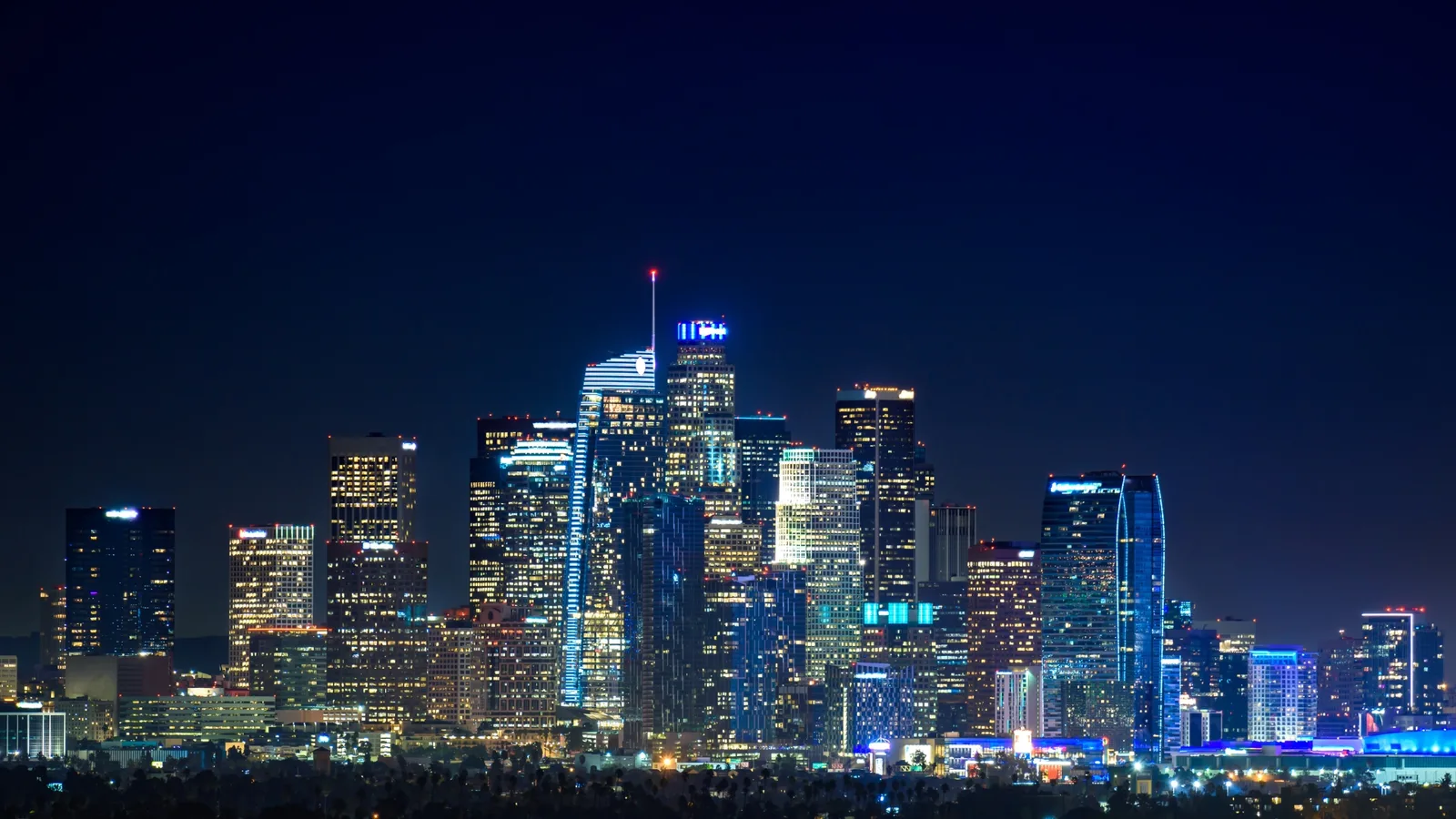
DTLA is LA's actual downtown: the Music Center, Grand Central Market, Arts District galleries, and a growing Bunker Hill skyline packed into a walkable grid. It's the easiest neighborhood to reach by train, especially now that Metro's D Line finally runs west into Beverly Hills. Base yourself here for nightlife and easy transit, not for beach access.
Know before you go: Grand Central Market and the Arts District are best explored on foot during the day. DTLA quiets down fast at night outside a few entertainment pockets, so plan your route home before dark.
Entertainment$$ Mid-range
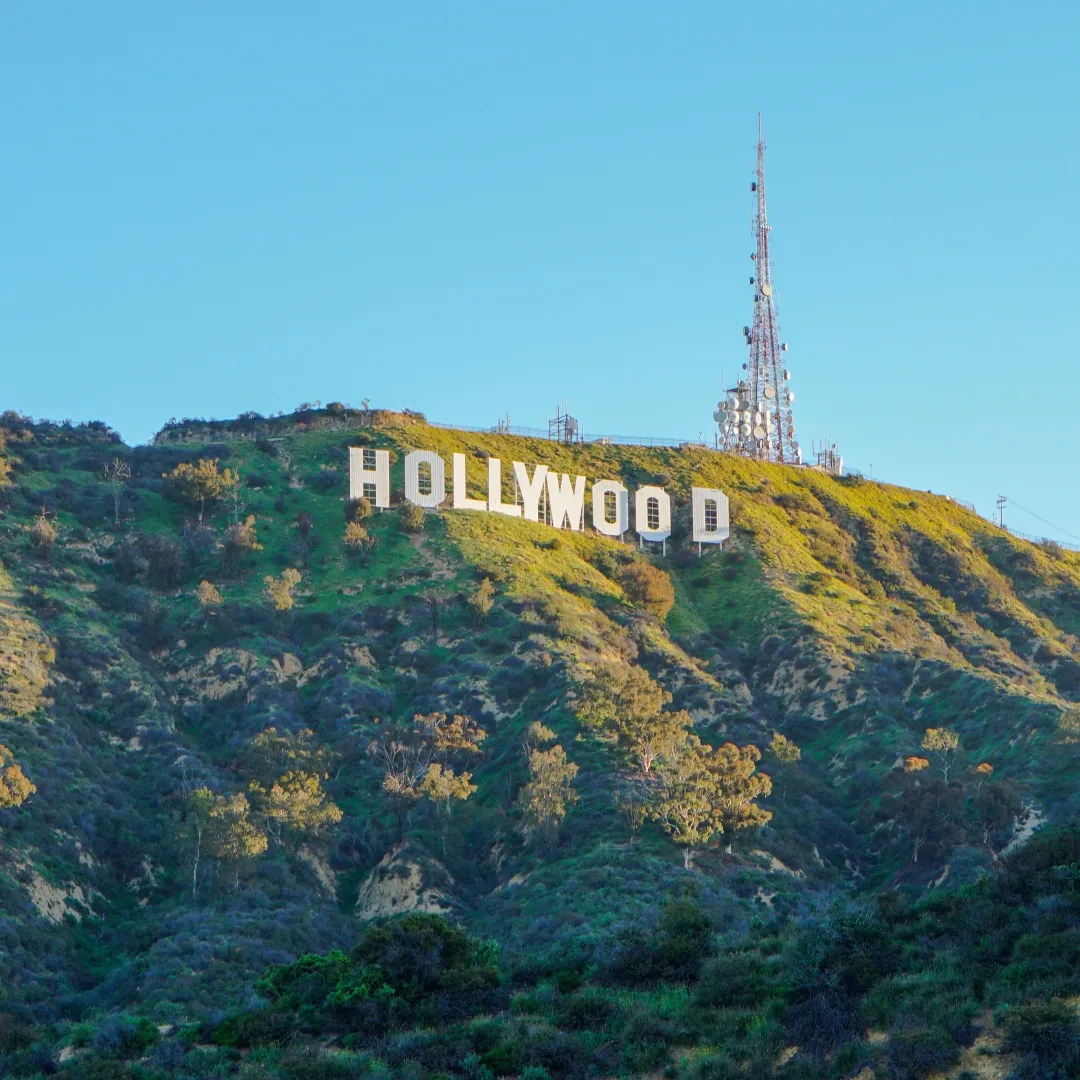
Hollywood is the neighborhood most first-timers picture: the Walk of Fame, TCL Chinese Theatre, and the Hollywood Sign glowing over the hills. It's touristy by design, but it's central and close to Griffith Observatory and Runyon Canyon for sunset views. Stay here for proximity to sightseeing, not for a quiet night's sleep.
Know before you go: the Hollywood Sign itself isn't accessible up close. The classic photo spots are from Griffith Observatory or the end of Beachwood Drive.
03
Santa Monica
Westside / Beach
Beach Town$$$ Pricey
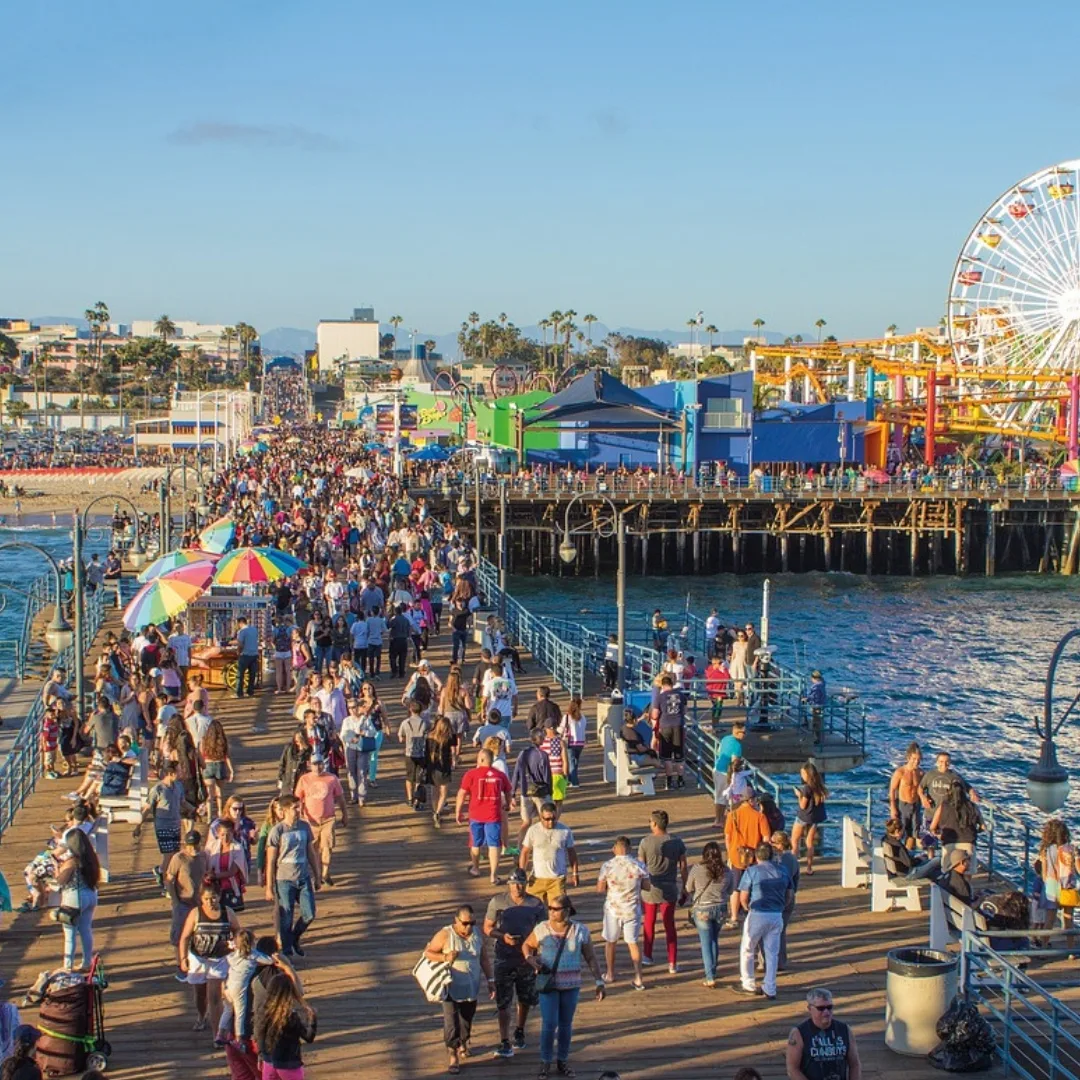
Santa Monica pairs the Pacific with an actual downtown: Third Street Promenade, an amusement pier, and a boardwalk that runs straight toward Venice. It's the easiest beach base for visitors without a car, thanks to a walkable core and direct Metro E Line service to Downtown LA. Expect beach-town prices for hotels and parking, especially in summer.
Know before you go: the pier and beach parking lots fill up fast on weekends and holidays. Arrive before 10am if you want an easy spot.
Boho Beach$$ Mid-range
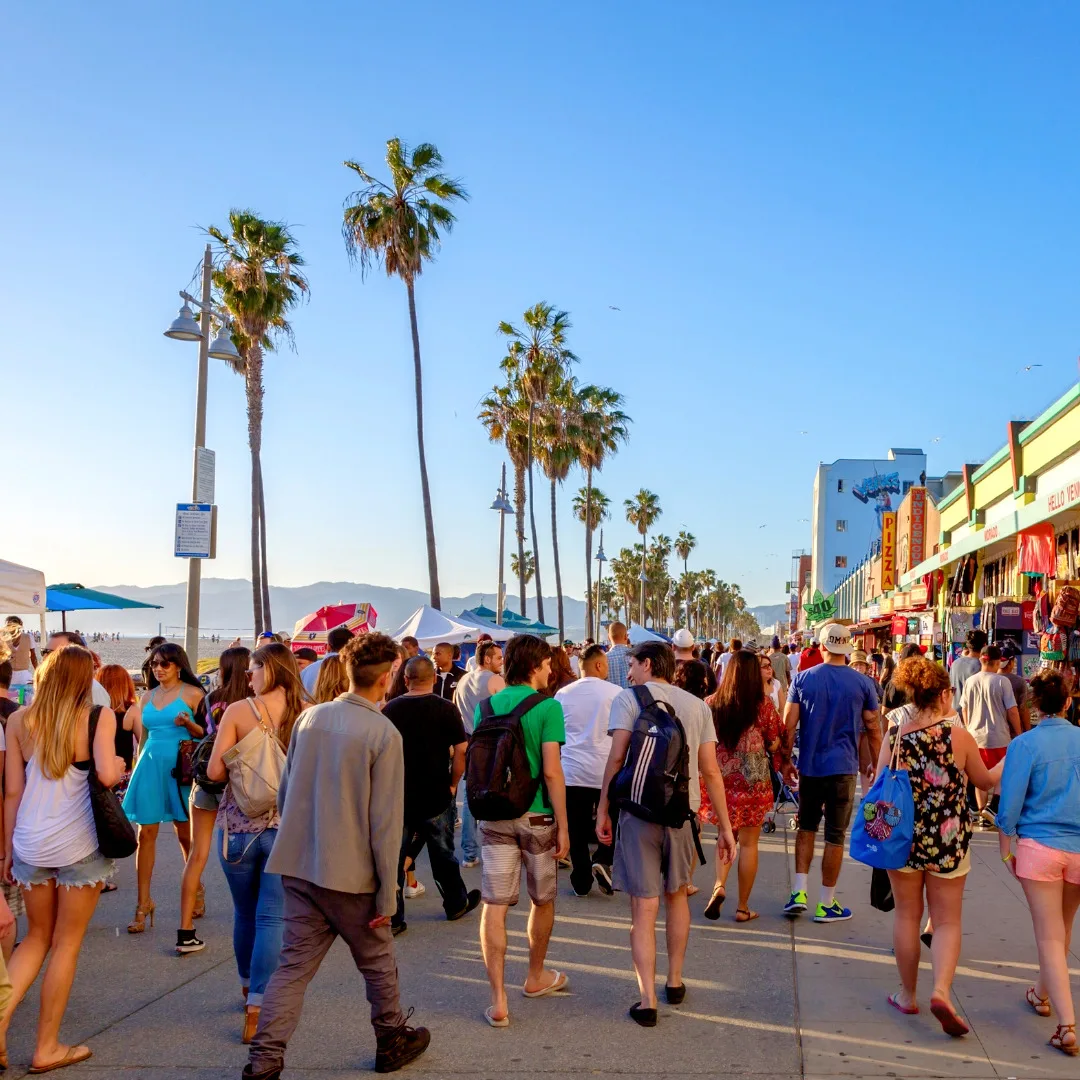
Venice is Santa Monica's scruffier, more creative neighbor: Muscle Beach, boardwalk street performers, Abbot Kinney's boutiques, and a canal district that feels like a different city entirely. It's a short walk or bike ride from Santa Monica but with a looser, artsier energy and generally better food. Keep valuables out of sight; the boardwalk area has a visible transient population alongside the tourists.
Know before you go: park in a lot rather than a boardwalk-adjacent street, and don't leave anything visible in the car.
05
Olvera Street & the Historic Core
Downtown / El Pueblo
History & Culture$ Budget-friendly
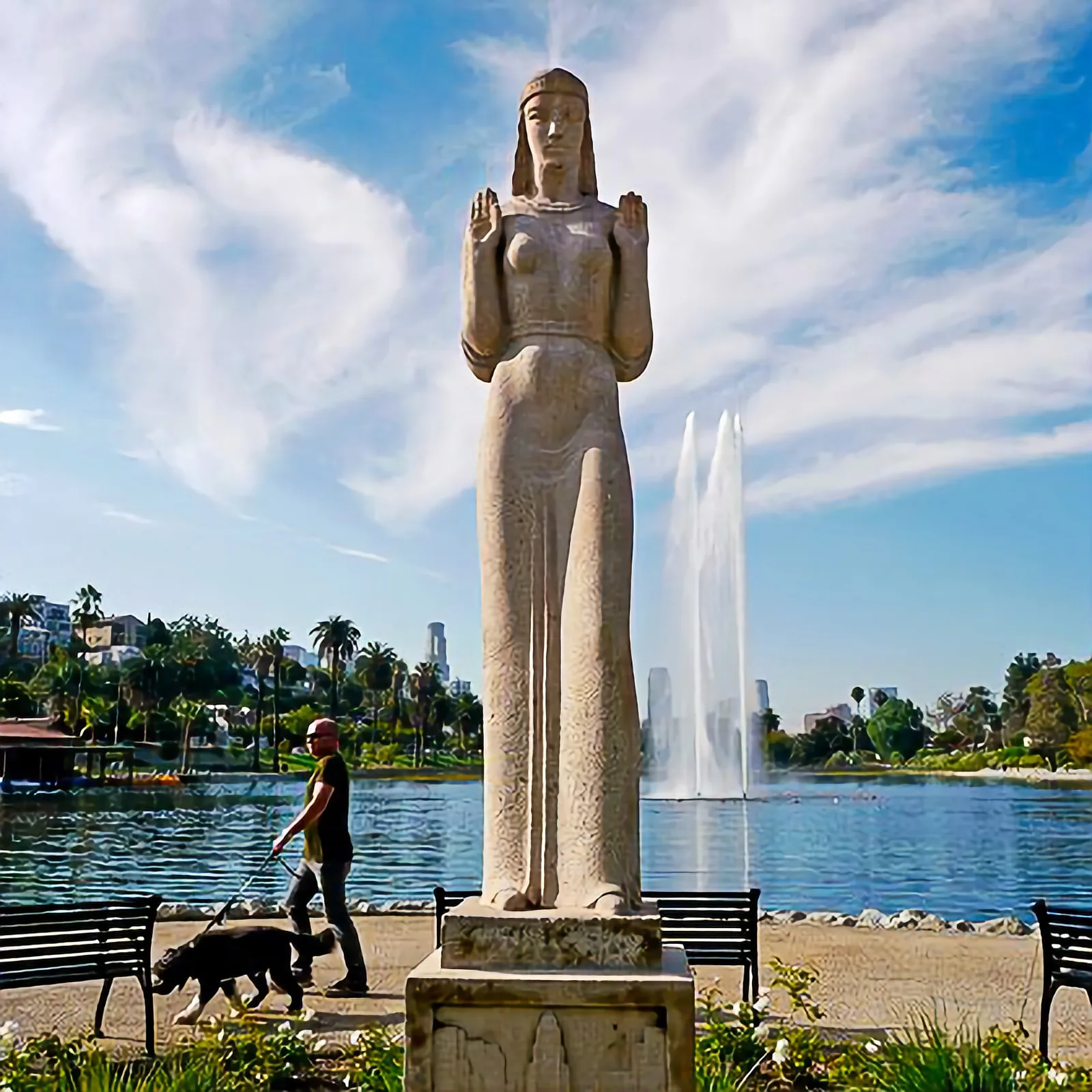
This is where Los Angeles started in 1781, preserved today as El Pueblo de Los Angeles: a compact plaza and marketplace of Mexican restaurants, shops, and free museums a few blocks from Union Station. It pairs well with a DTLA day and gives context you won't get anywhere else in the city. Most of it is free to walk through; you only pay for food and souvenirs.
Know before you go: several of the museums close on Mondays, and individual Olvera Street shops set their own hours, so call ahead if you're planning around a specific stop.
06
Malibu & the Coast
Northern Coast
Coastal Escape$$$$ Splurge
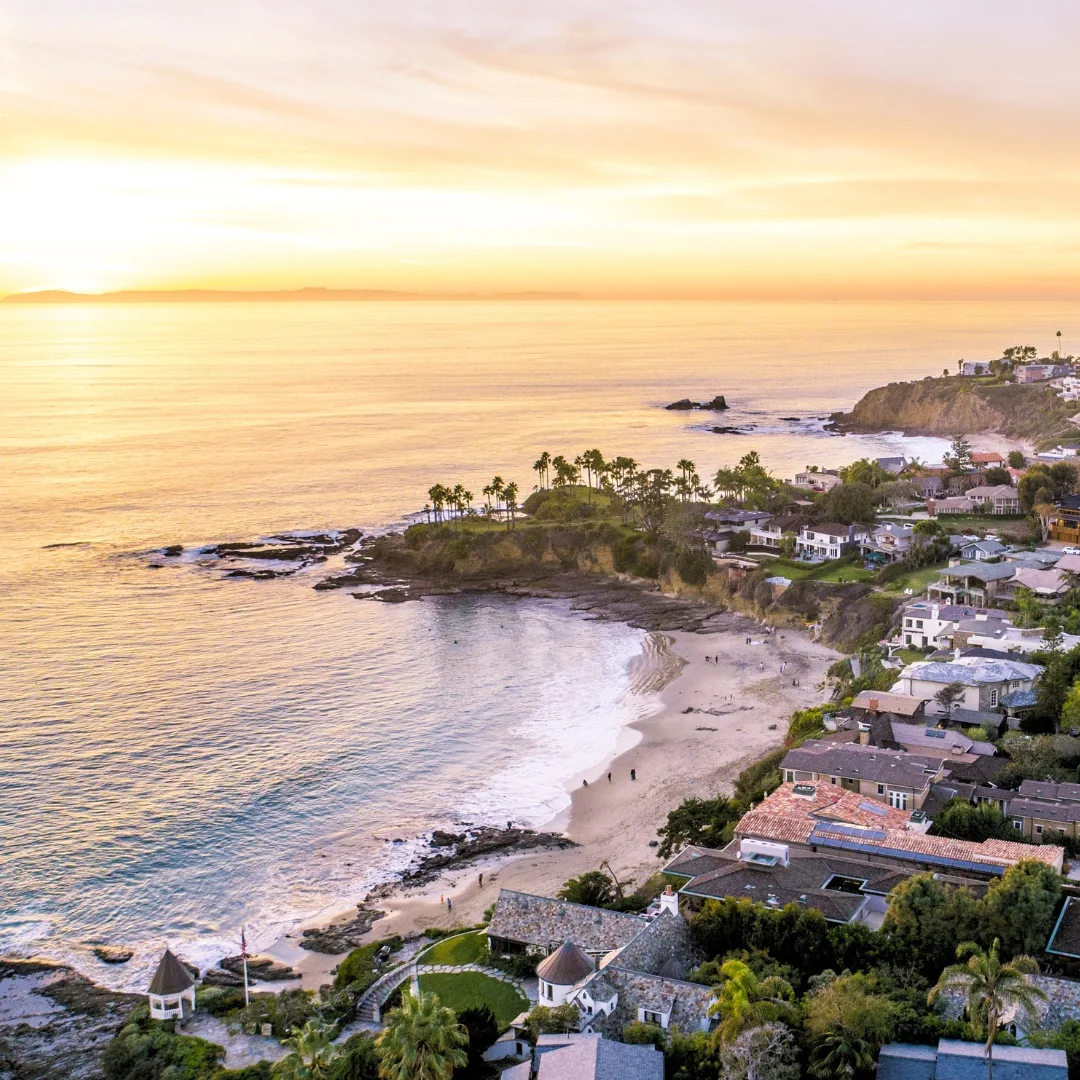
Malibu is LA's most scenic stretch of coastline: cliffside homes, surf breaks, and pull-off beaches along Pacific Coast Highway. It's less a walkable neighborhood than a drive you make for a beach day, a hike in the Santa Monica Mountains, or sunset dinner. Just inland, Pacific Palisades is still rebuilding from the January 2025 wildfire that destroyed much of the community, so expect construction traffic and some closed businesses if you're passing through.
Know before you go: PCH traffic backs up badly on summer weekends. Leave early or go on a weekday if you can.
Luxury Shopping$$$$ Splurge
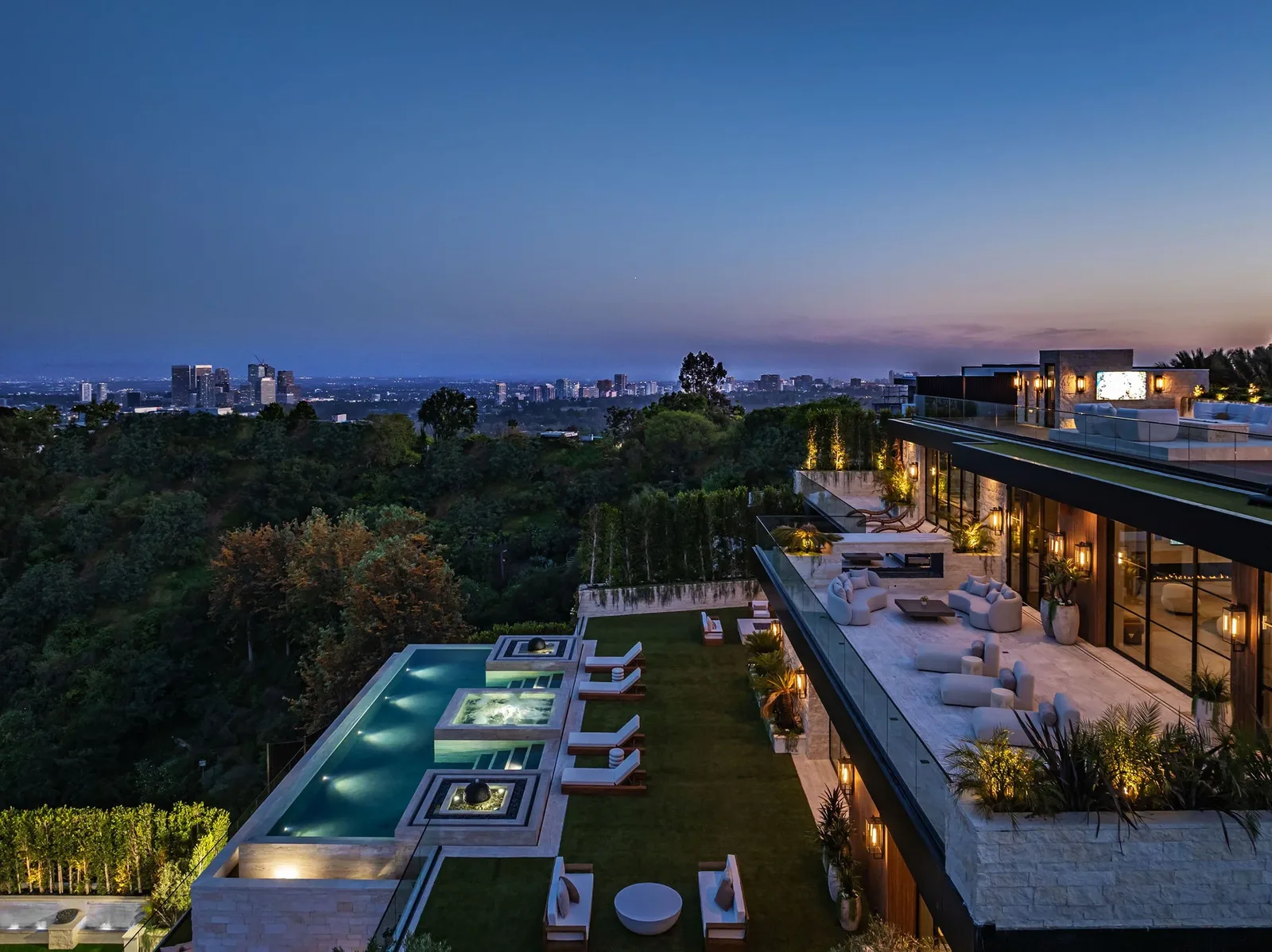
Beverly Hills is Rodeo Drive, palm-lined residential streets, and some of the priciest real estate in the country, all inside under six square miles surrounded by LA proper. It's worth an afternoon for window-shopping and people-watching even if you're not buying. Metro's new Wilshire/Rodeo and Beverly Drive stations, opened May 2026, make it reachable by train from Downtown for the first time.
Know before you go: metered street parking is limited and strictly enforced. Use a garage if you're staying more than an hour.
A few more worth knowing
- LA runs on Pacific Time (PST in winter, PDT in summer), generally three hours behind New York.
- Sunset lands around 8pm in summer and 5pm in winter; sunrise runs roughly 5:45am to 6:45am. Check a weather app for the exact day, and catch it from Griffith Observatory or Venice Beach.
- The city covers about 503 square miles, and LA County has 88 incorporated cities, from Santa Monica to Pasadena, with roughly 3.8 million people living within city limits.
- Los Angeles marks its founding on September 4, 1781; the birthplace site is preserved at Olvera Street.
- The old Red and Purple subway lines are now the B Line and D Line under Metro's letter system, and the D Line just got longer, reaching Beverly Hills in May 2026.
- Skid Row, a roughly 50-block area near the east side of Downtown (bounded by Main, 3rd, Alameda and 7th streets), has a highly visible homeless population. It's fine to drive through by day; skip walking it alone.
- The LA Marathon returns March 7, 2027, looping past Dodger Stadium, Hollywood, and the Pacific.
- Main area codes are 213, 310, 323, and 818, though which one covers a given neighborhood varies.
Frequently asked
What's the best time to visit Los Angeles?
March through May or September through November, when the weather is mild and crowds thin out. Summer is busiest and priciest; winter is mild but can bring a stretch of rain.
Do I need a car in LA?
For most visitors, yes. LA is spread across roughly 503 square miles, and while Metro's rail lines have expanded (the D Line now reaches Beverly Hills), the system still doesn't cover most neighborhoods. Rideshares fill the gaps but add up fast, so a rental car is usually the most flexible option.
Is Los Angeles safe for tourists?
Yes, in the areas visitors actually spend time in. Tourist-heavy neighborhoods like Hollywood, Santa Monica, and Beverly Hills are generally safe, especially during the day, and citywide crime and homicide rates have fallen to record lows. Use normal city sense at night, and treat Skid Row (near Downtown) and the Pacific Palisades wildfire-rebuild zone as areas to drive through rather than wander.
What time zone is Los Angeles in?
Pacific Time, which is PST in winter and PDT (Daylight Saving Time) in summer, generally three hours behind New York.
What should I budget for extra costs like gas, tax, and rideshares?
Expect higher-than-average numbers across the board: sales tax runs around 9.75%, gas has been running $5 to $5.50 a gallon, and Uber or Lyft rides across town typically start around $12 to $15 and climb with traffic or surge pricing. Build in a cushion.
Is LA's public transit any good?
It's improving. Metro's D Line extension opened its first new stations in May 2026, connecting Downtown to Beverly Hills by train for the first time, and the E Line already links Downtown to Santa Monica. It's still not comprehensive enough to skip a car or rideshare entirely for most itineraries.